Yola monakhov on san Antonio’s rootedness and the ties that bind us
The downpour greeting me at the stoop of the lovely white house in Lavaca proved short-lasting. By the time I wheeled my luggage into the gracious, art-filled, and amply air-conditioned home, the outside puddles already rose towards the humid sky. The whistles of a Minneapolis winter we had watched on our screens now seemed distant, but here, the border was near, and I was a visitor to San Antonio.
The house, site of an artist residency called Parts & Labor, sits at the intersection of a Labor Street, a name many artists will find historic, relatable, and ironic. Once the fog lifted, I would come to know a city warm in charms and generous in community.
I was here to work on two projects, a feat, it felt, for a mom and professor who lives and teaches in the North Pacific. The Parts & Labor residency is generously designed for caregivers, and I was solitary for a bit, my boys nestled amidst midwestern grandparents, my divorce attorney available over Zoom, and my online summer photography courses skillfully arranged by stellar teaching assistants. All the pieces aligned as a gift of summer travel to spend a month on my art practice and the production of a show.
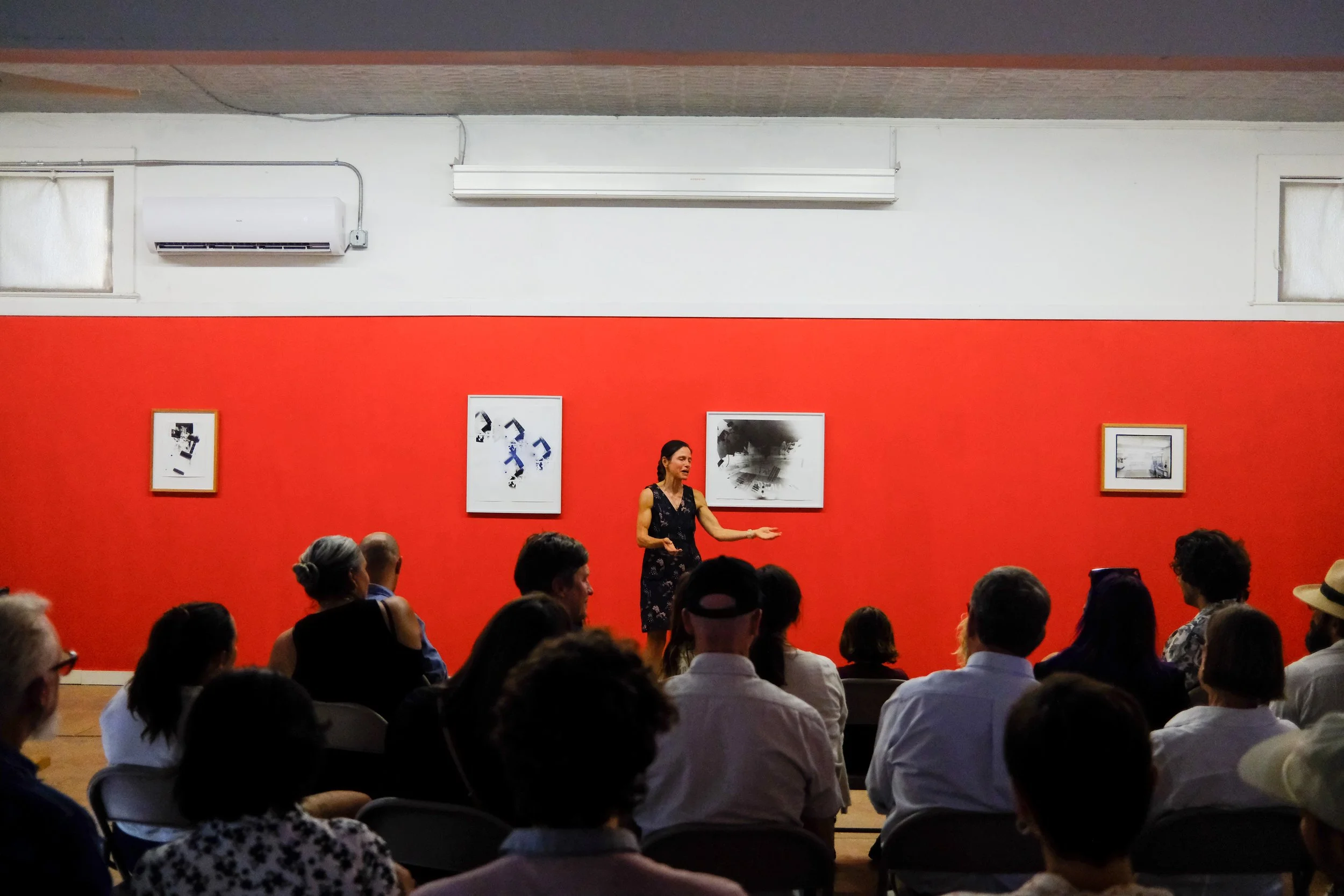
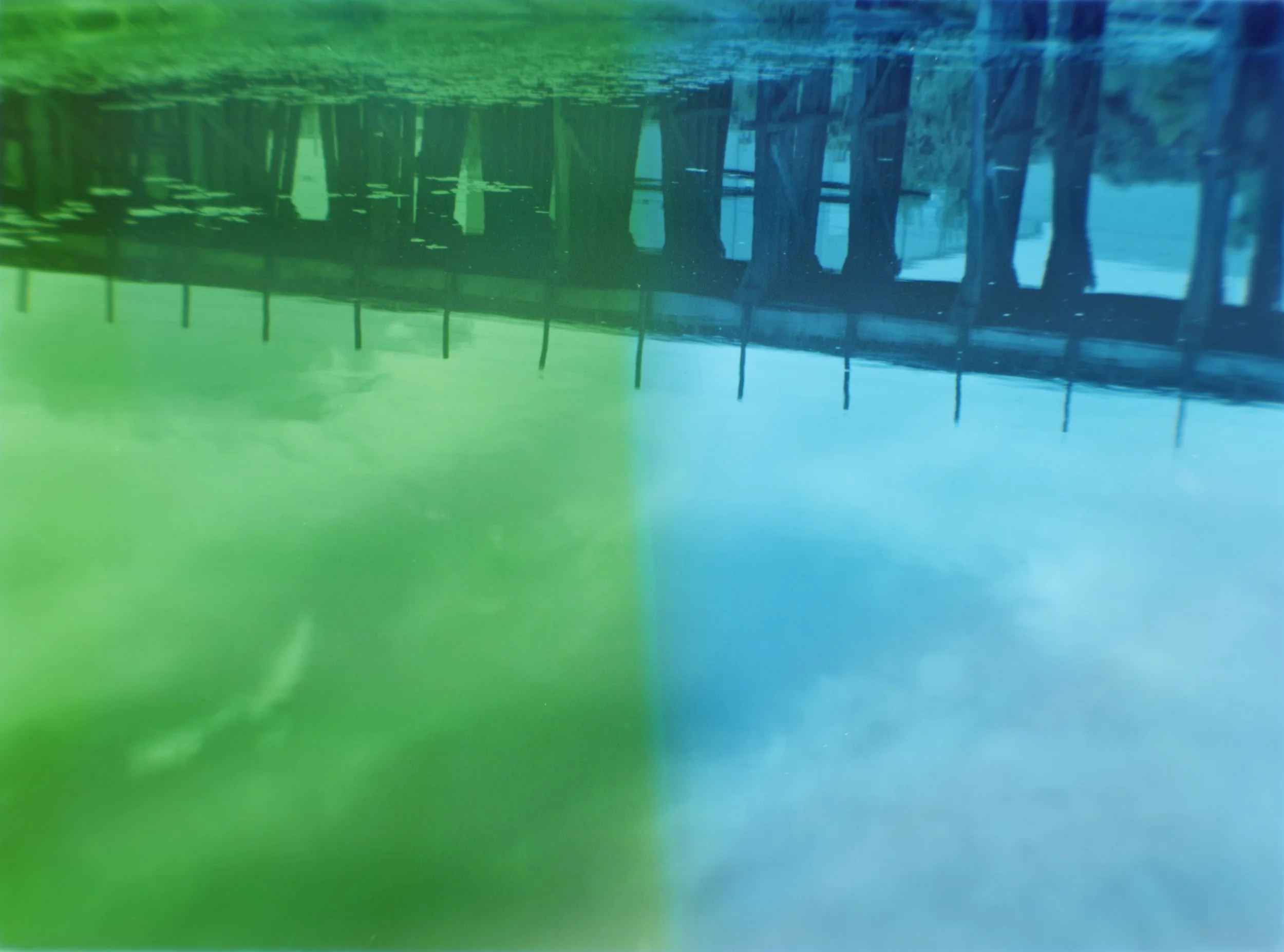
One of the projects I came to work on was Post-Photography, an ongoing automatic picture-making process abetted by the US Postal Service. This work is abstract in form, but material in process, a game of chance and seeing to produce a way of moving through the world. By mailing box cameras, the process allows me to make pictures, make mistakes, and make many trips to the post office. I was interested in bringing this project to a new phase, informed by experimental cinema and the rejection of AI extraction, instead to highlight a reliance on first-hand experience in the form of print. The challenge of the San Antonio heat was one of the exciting adventures I needed to tackle to prepare the show.
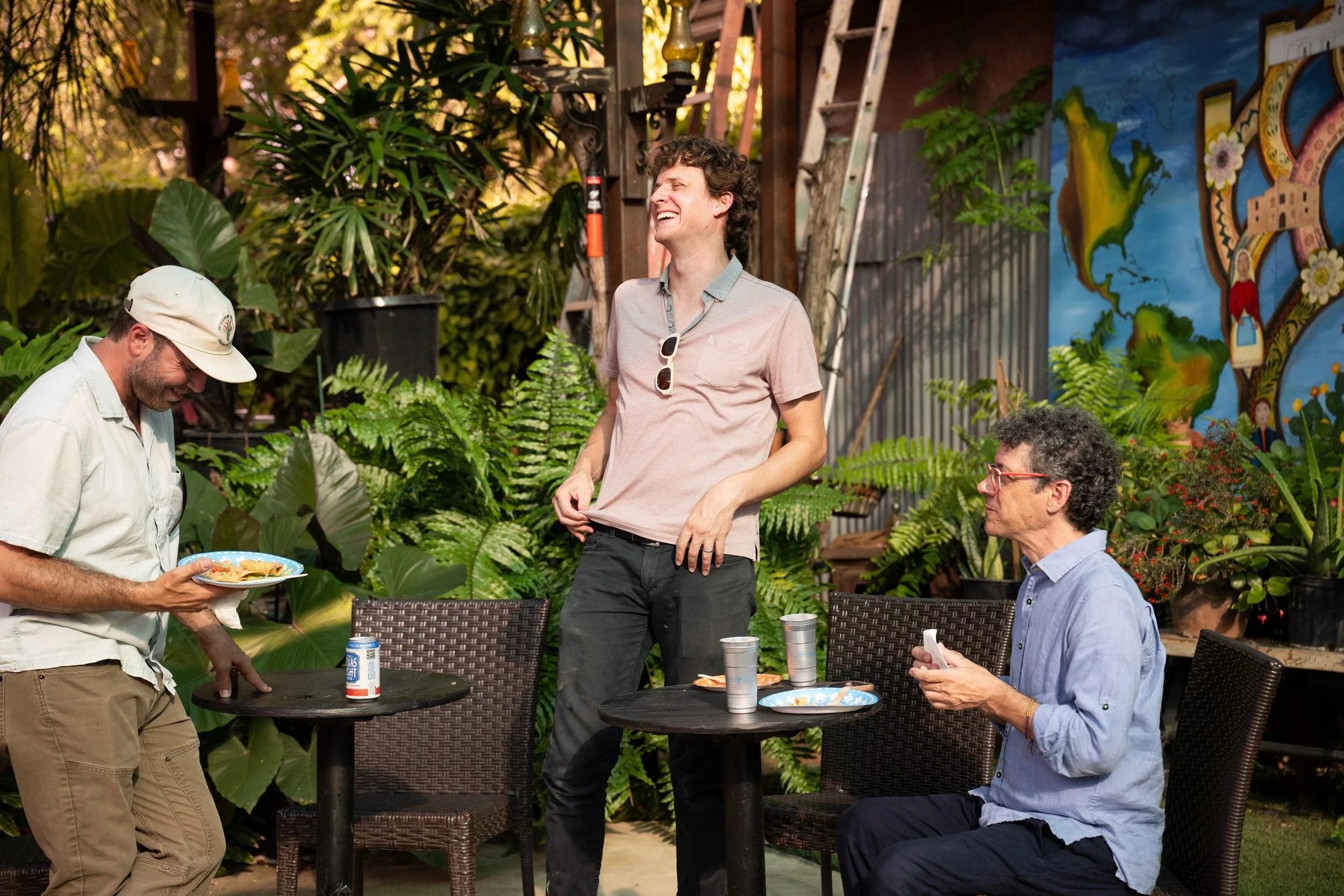
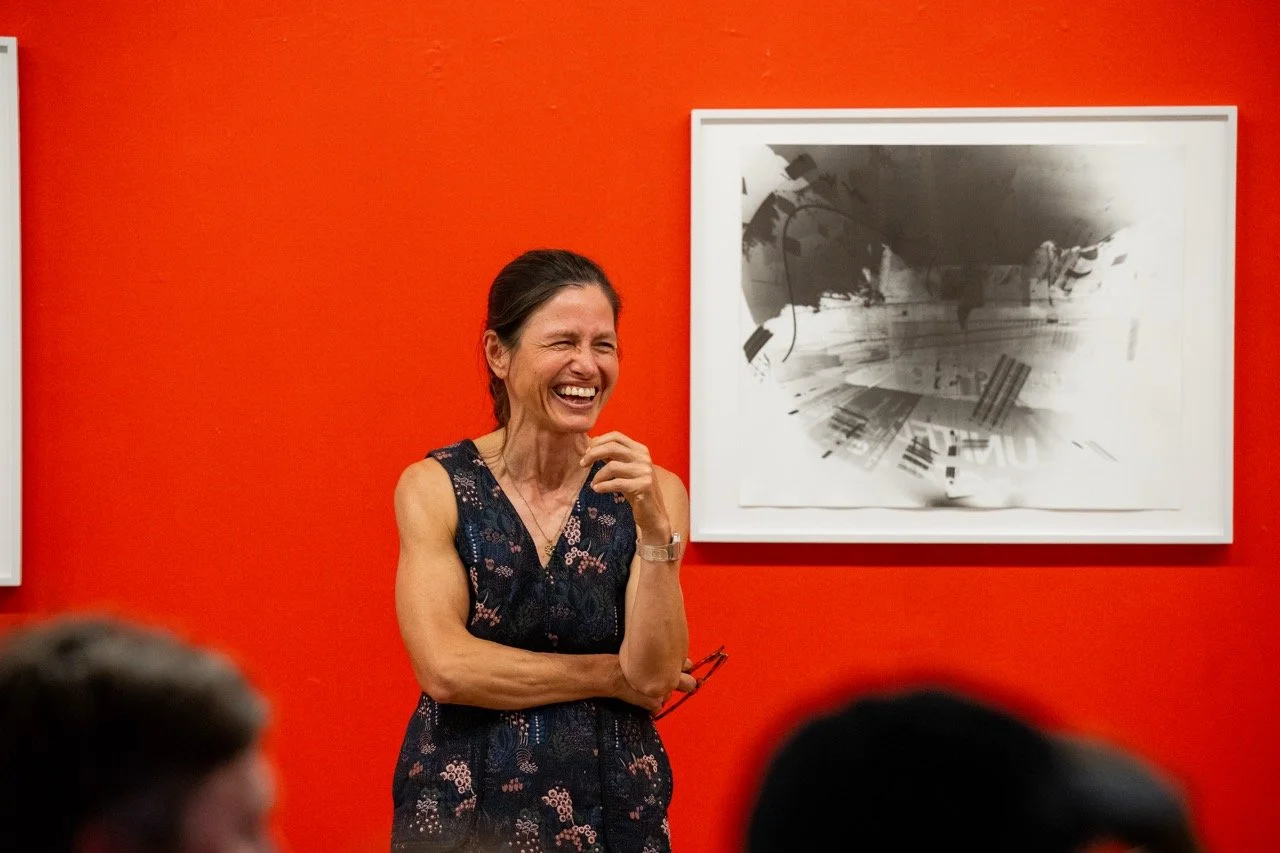
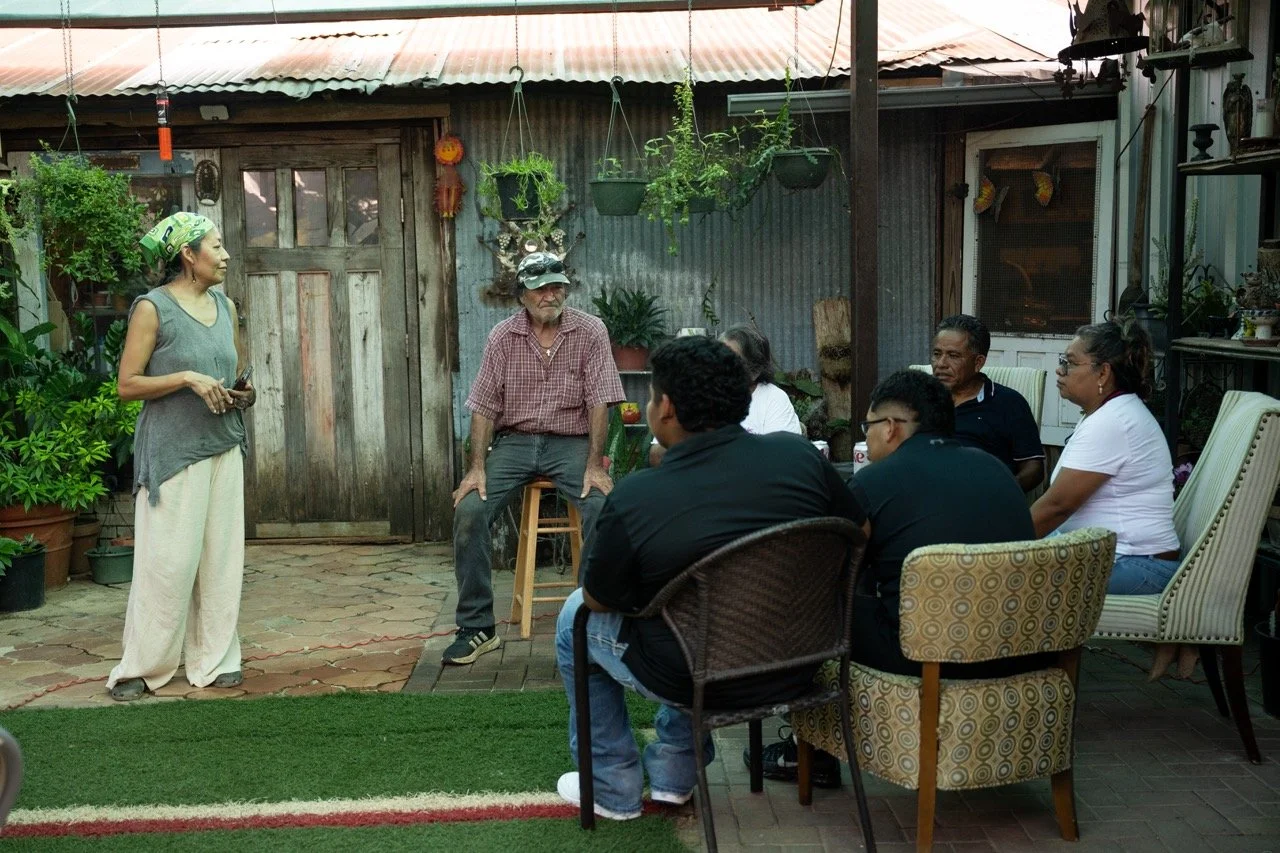
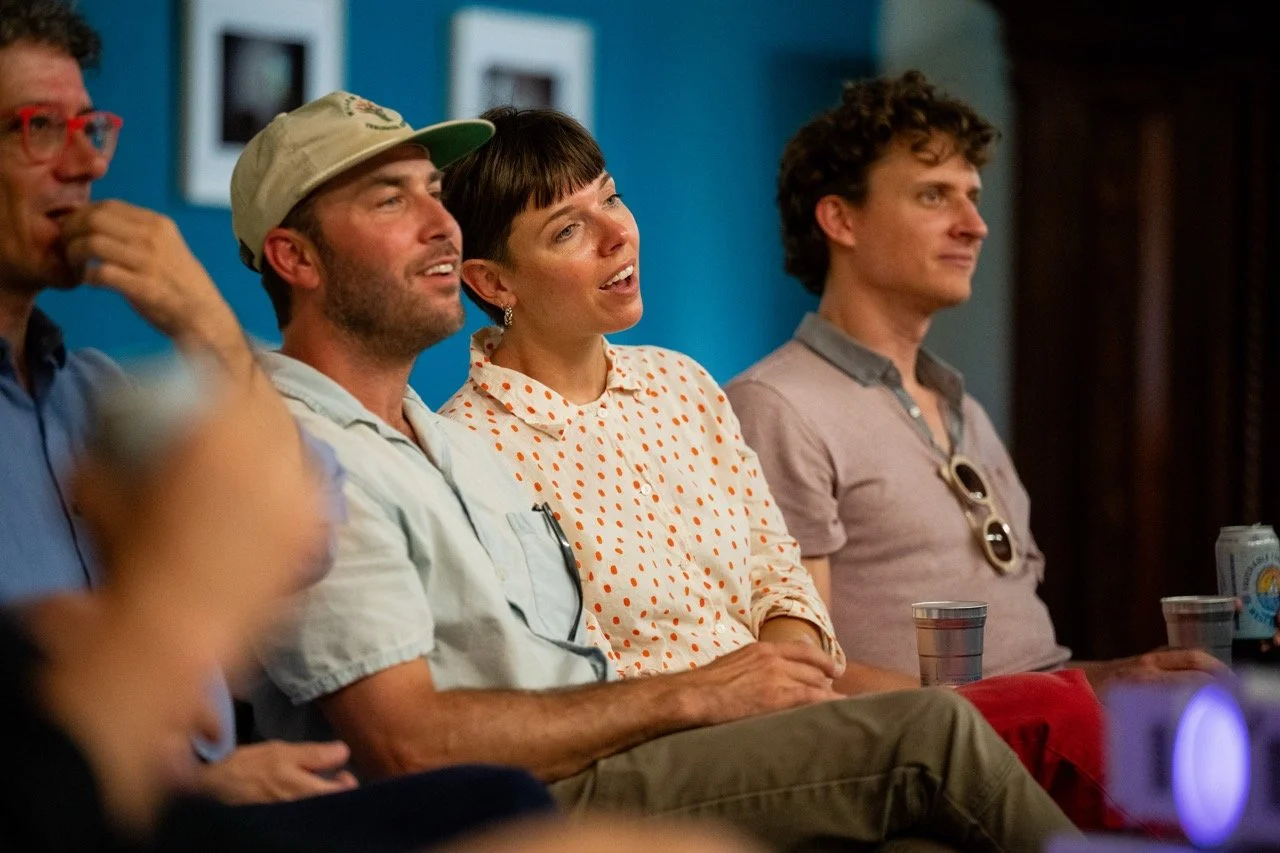
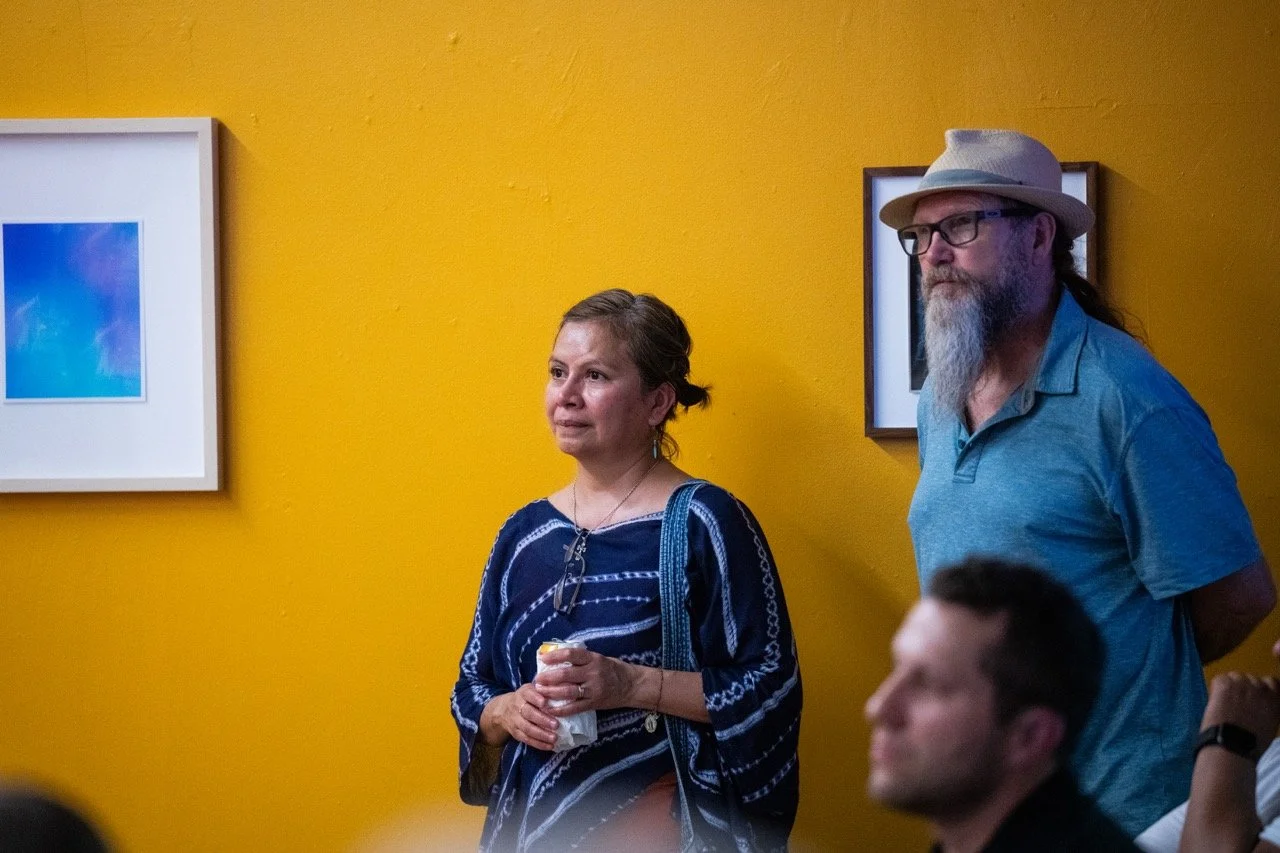
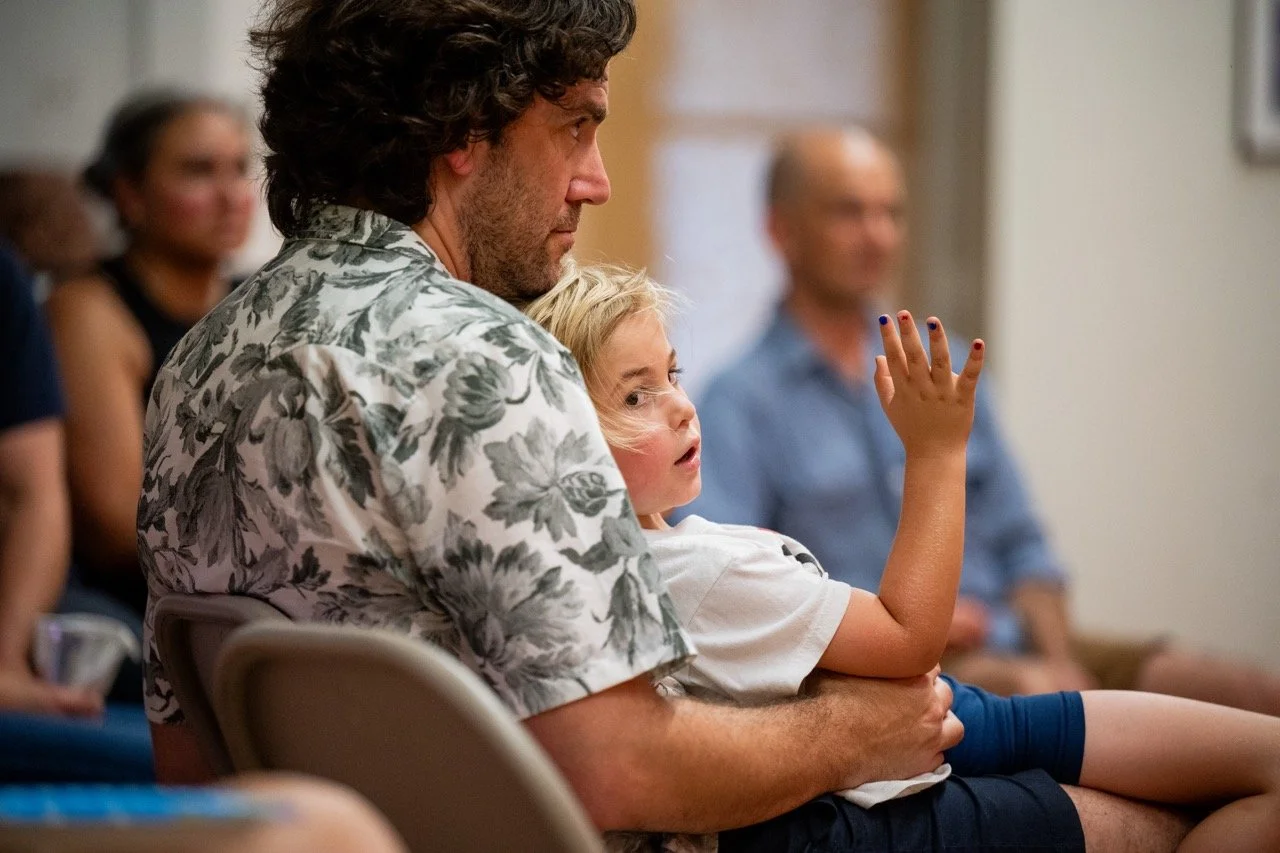
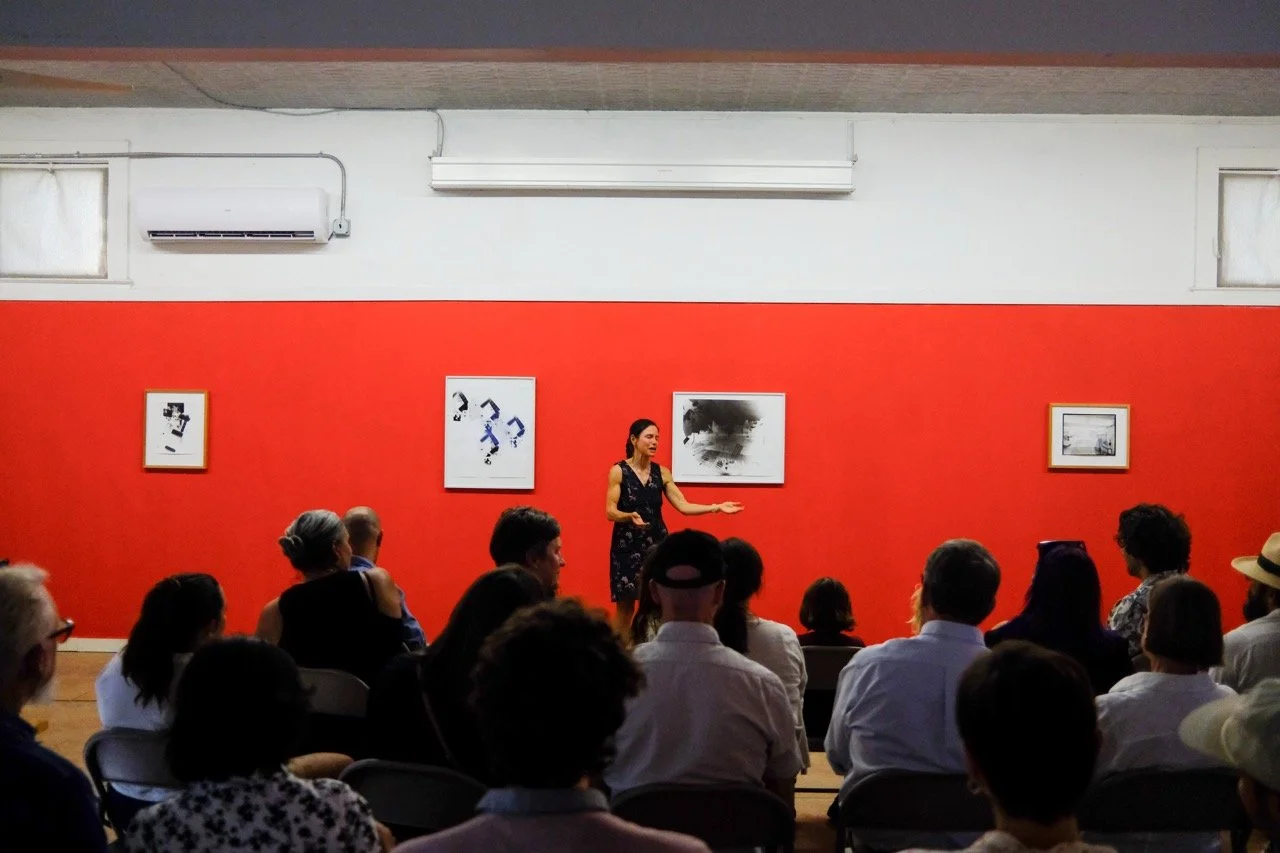
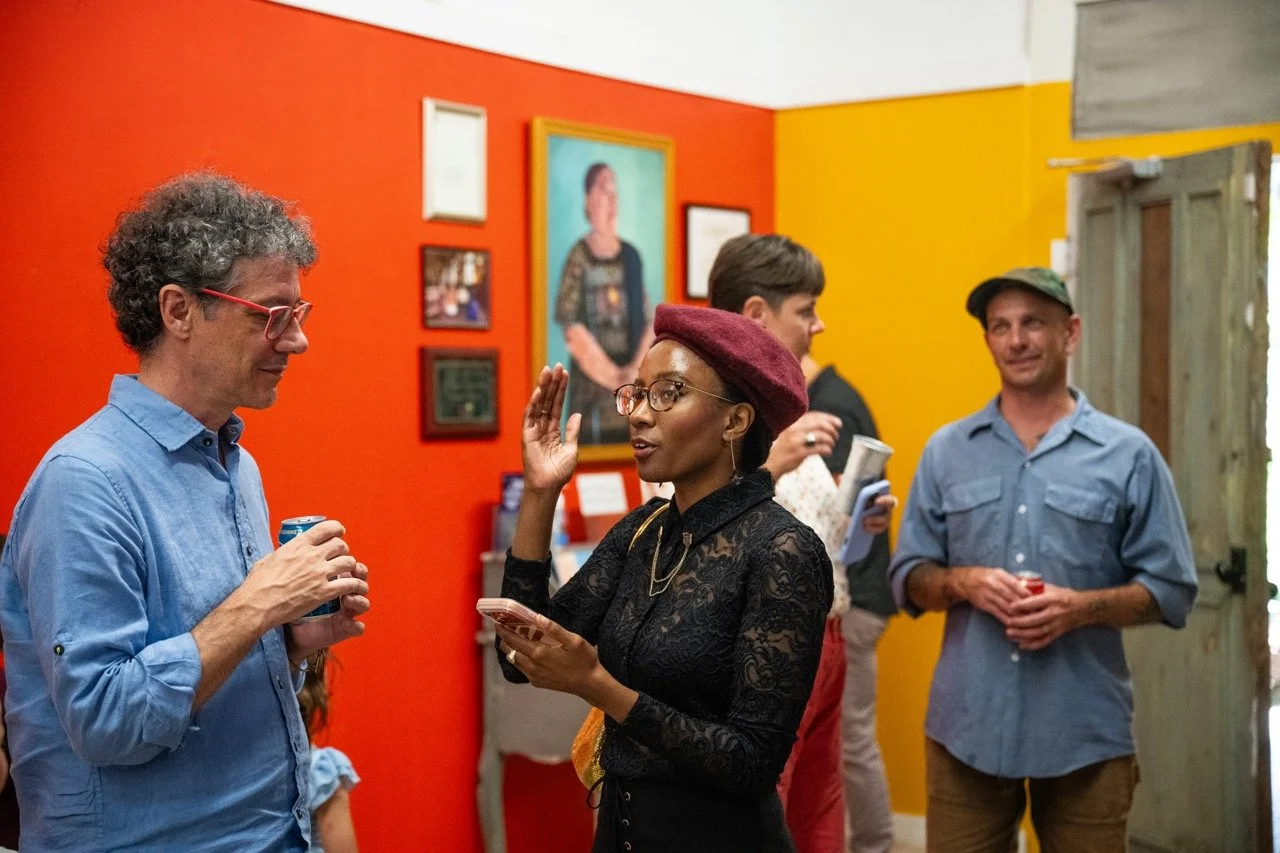
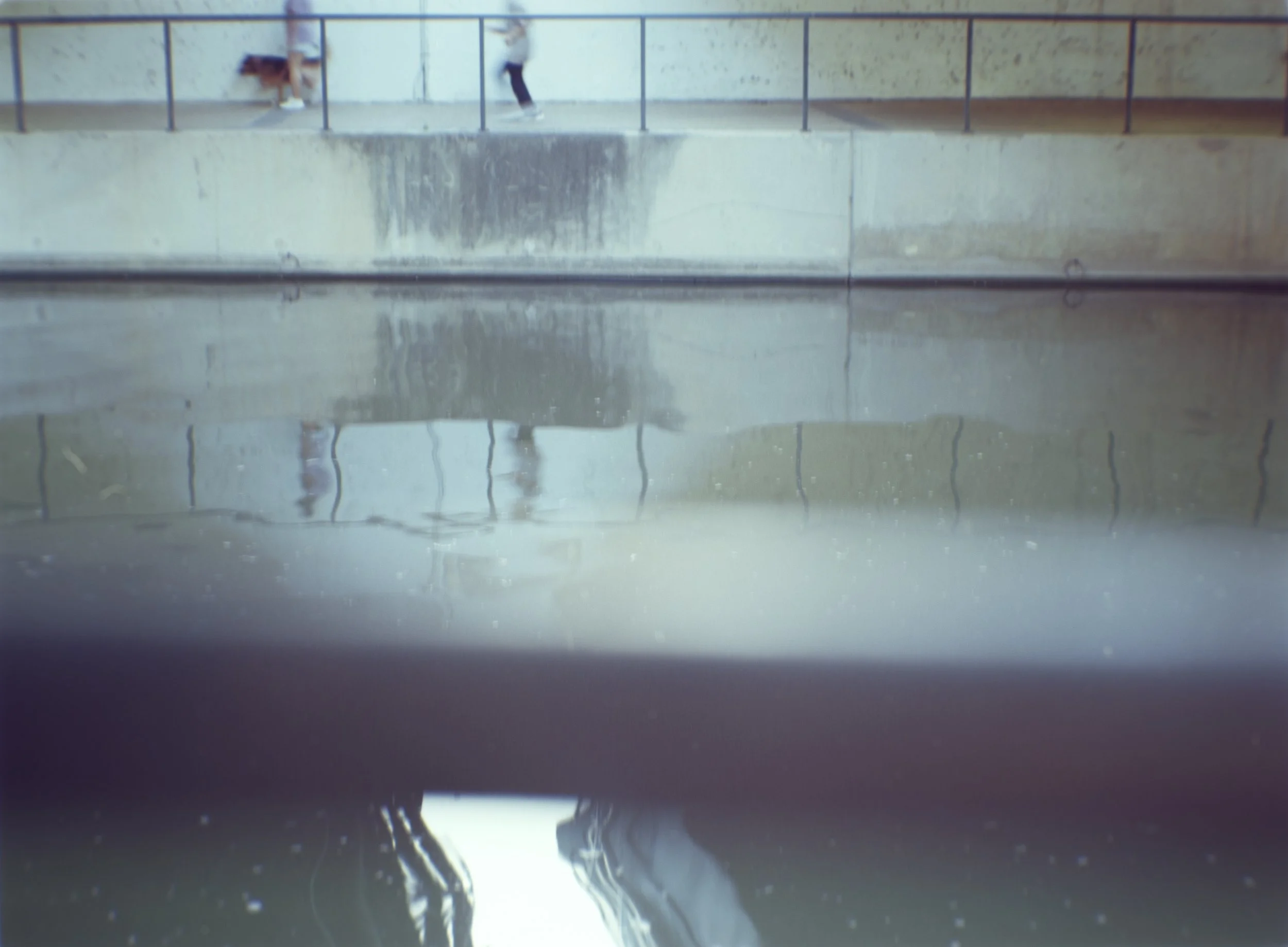
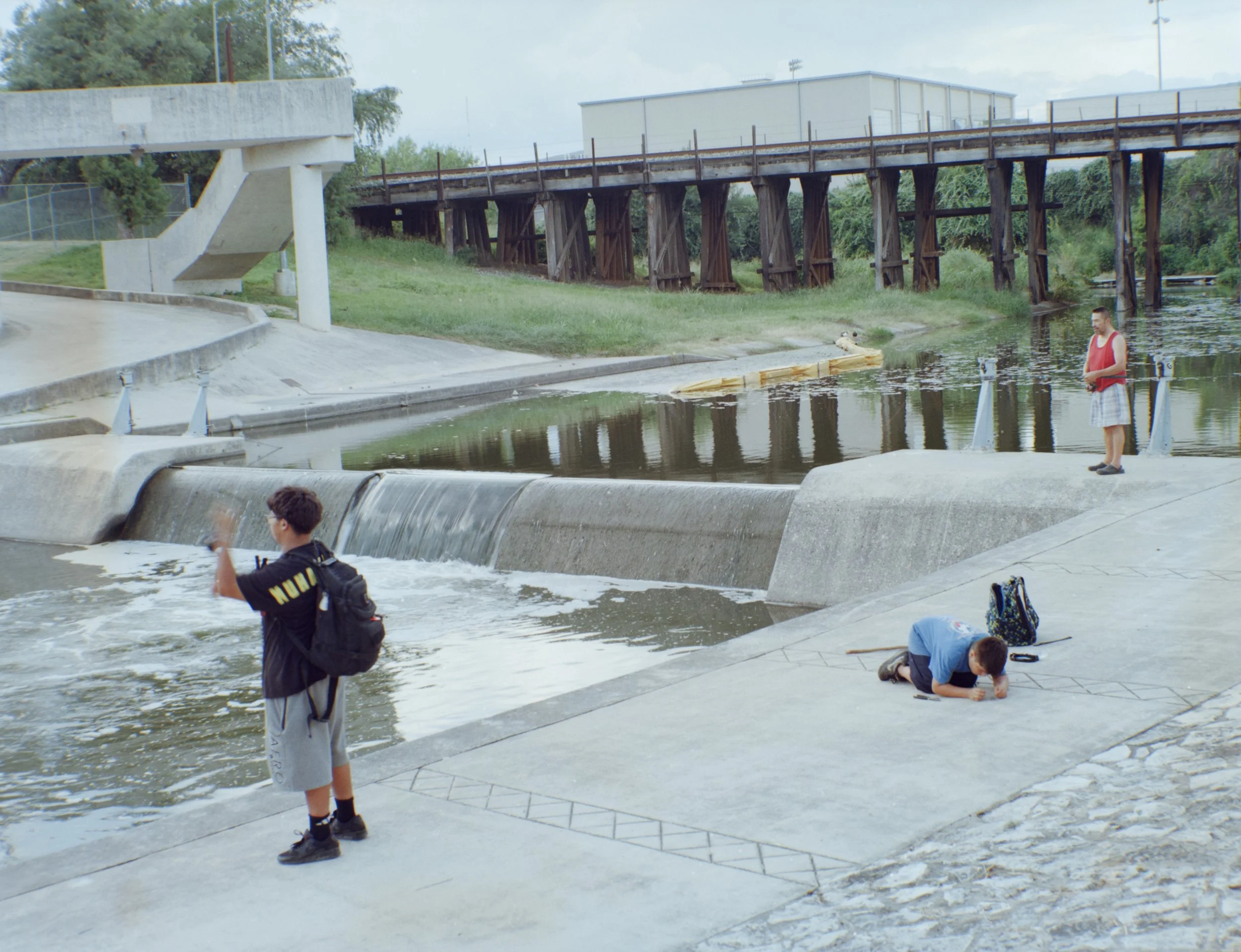
My second endeavor was to photograph by the San Antonio River, which snakes through the city, true to its name. The suggestion for this work came courtesy of Nicholas Frank, Parts & Labor board member who took me to dinner that first evening, and later on a road trip, a pilgrimage, to see art in Houston. (I could see that as an arts reporter for Glass Tire, Nicholas makes such pilgrimages regularly, but for me, it was a rare treat to drive through what, in Hawai‘i, we call the “mainland”). Nicholas was one of many artists and wonderful people who fêted me during my time here.
The River Walk, a more recent redevelopment in landscape design, is a green space which reclaims the urban environment and provides opportunities for contemplation and chance encounter with other folks similarly enraptured by walking along moving water. I had recently begun photographing encounters with human-scaled wildernesses in Hawai‘i. This interest might stem from a desire to witness our bodies breaking away from the constant presence of screens, and inhabiting the challenges of a physical world through togetherness, however provisional.
Before long, I was running almost daily along the river, returning to photograph in the evening, saying hello to a rambling flâneur in one stage of my journey, then seeing them once again, and enjoying the recognition of their dog, who seemed no less a leader in their ensemble than my camera was in mine.
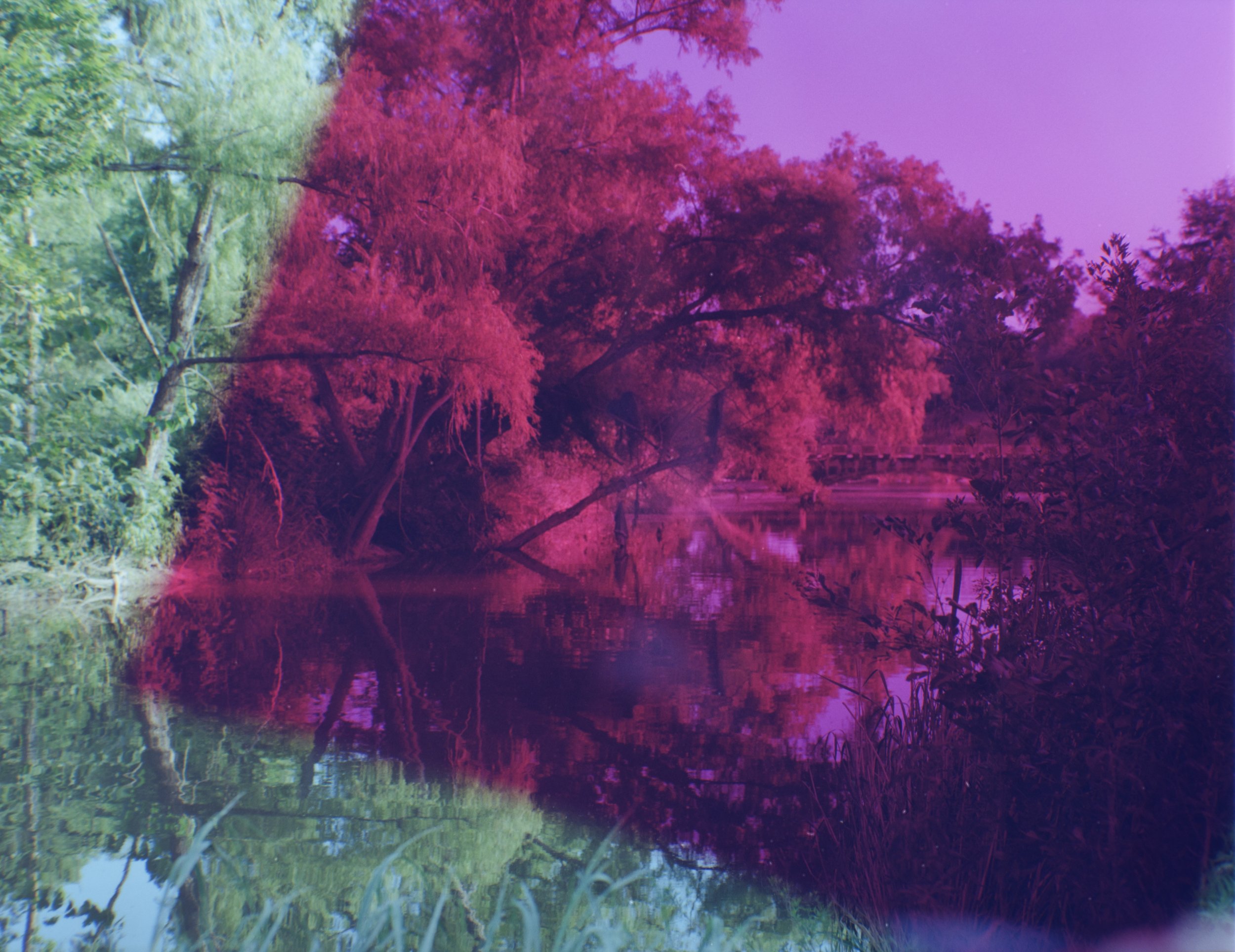
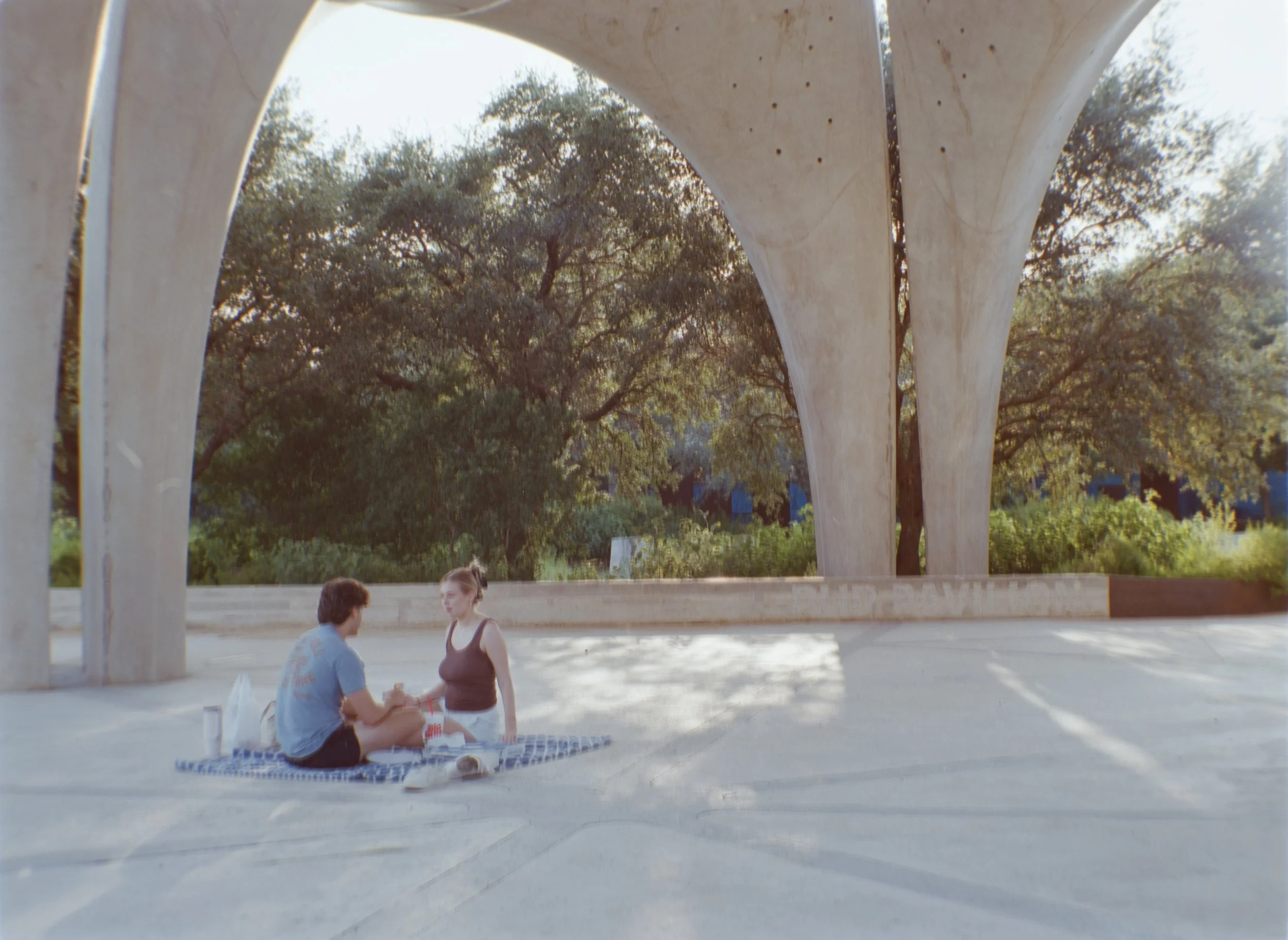
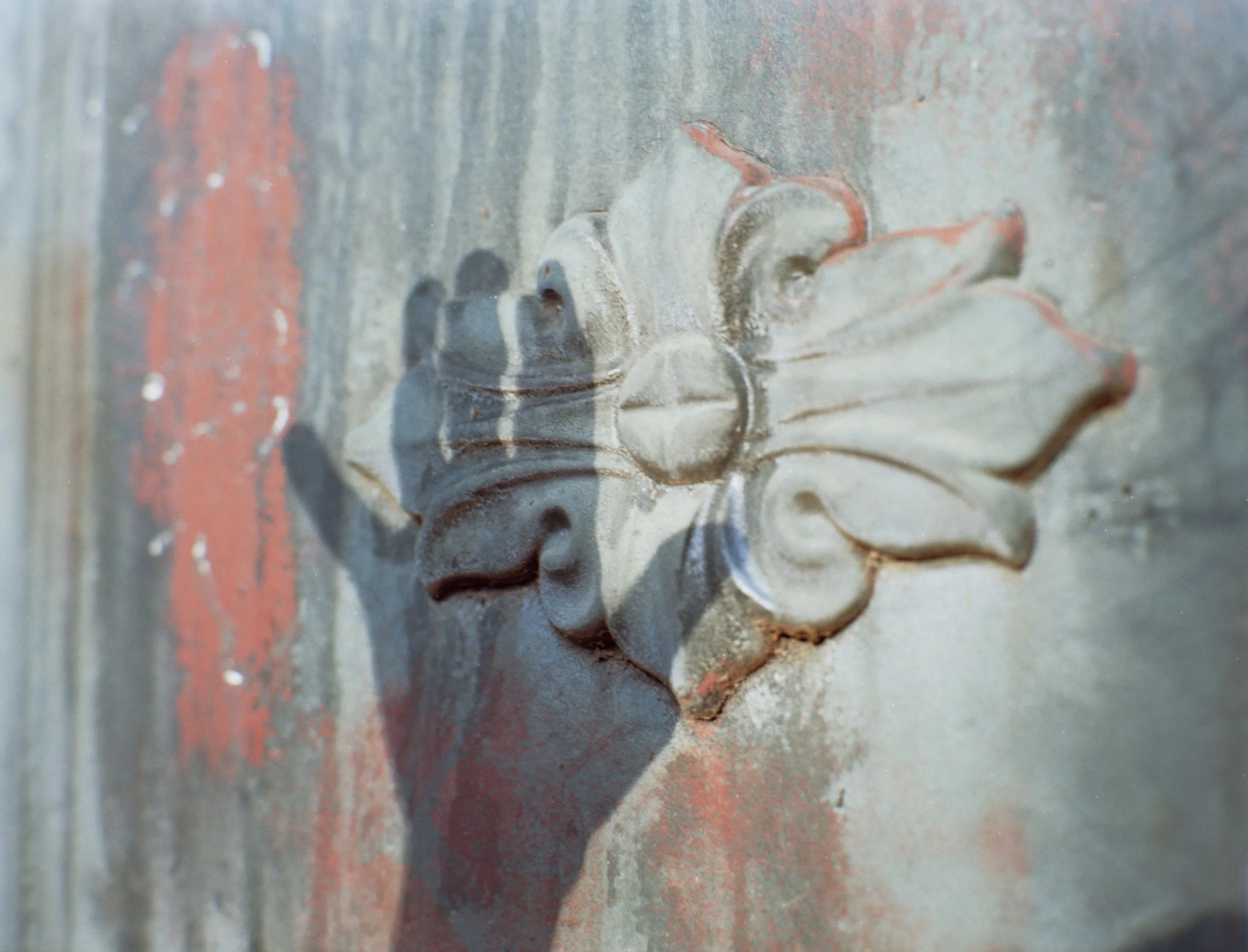
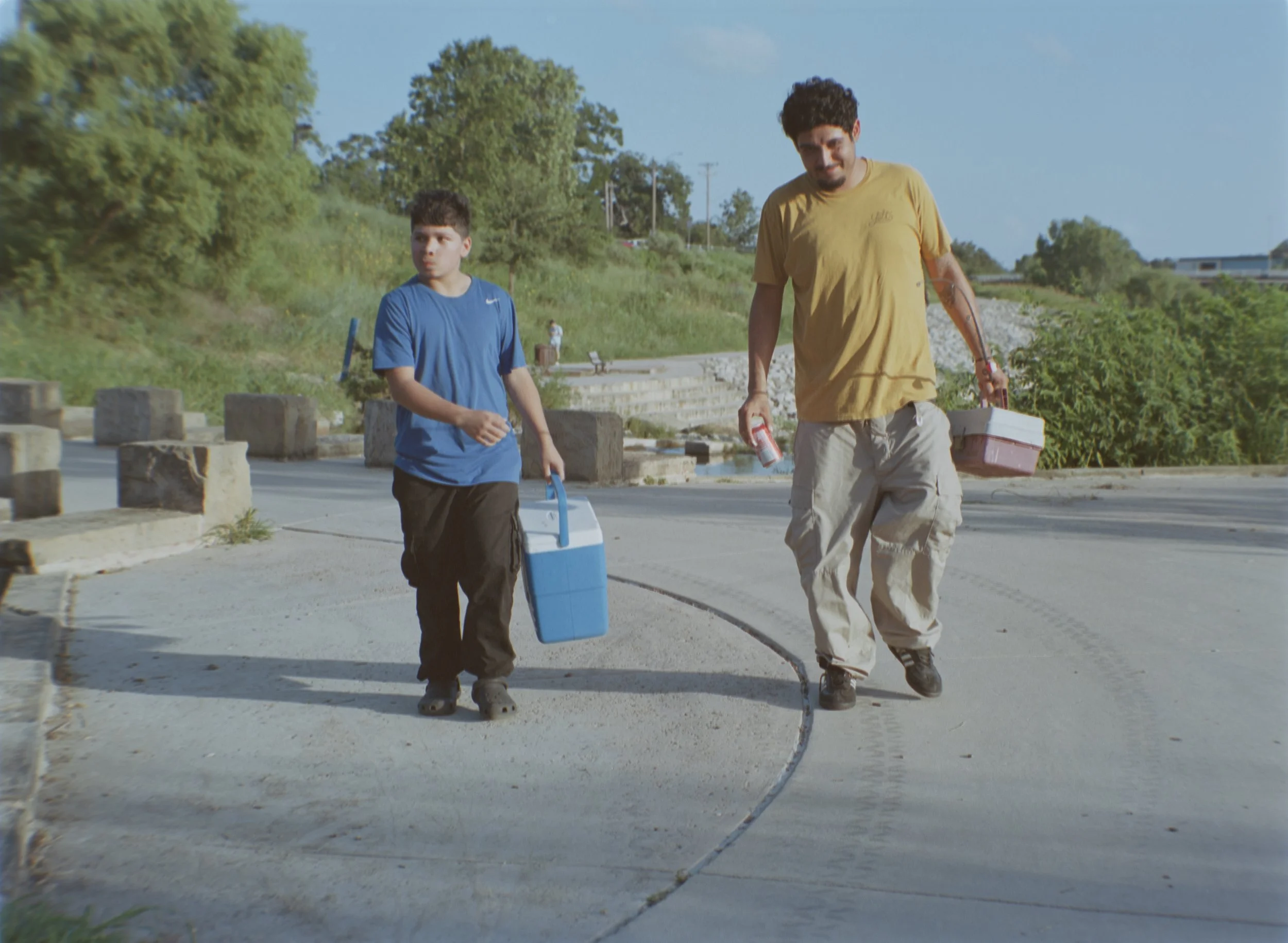
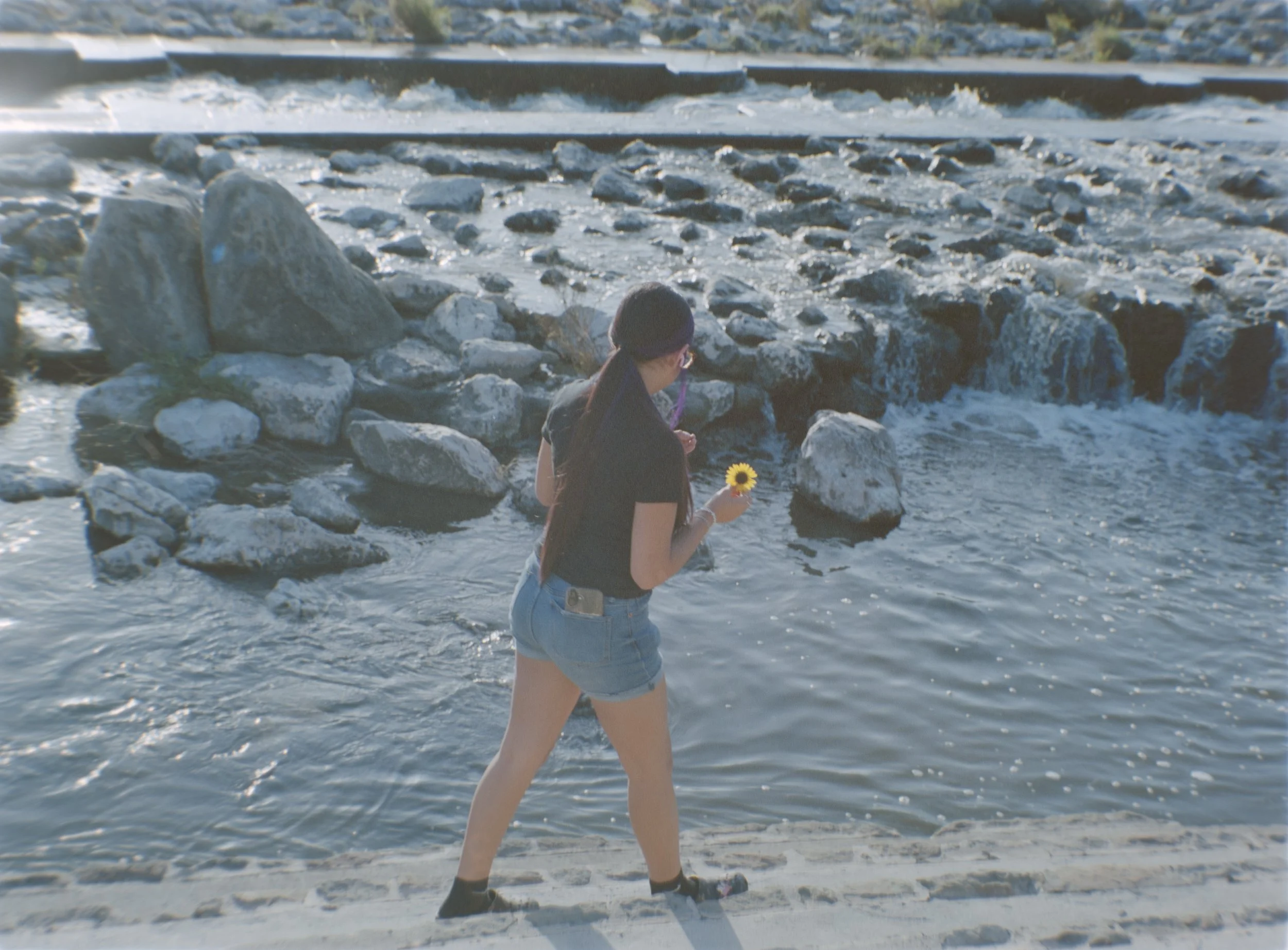
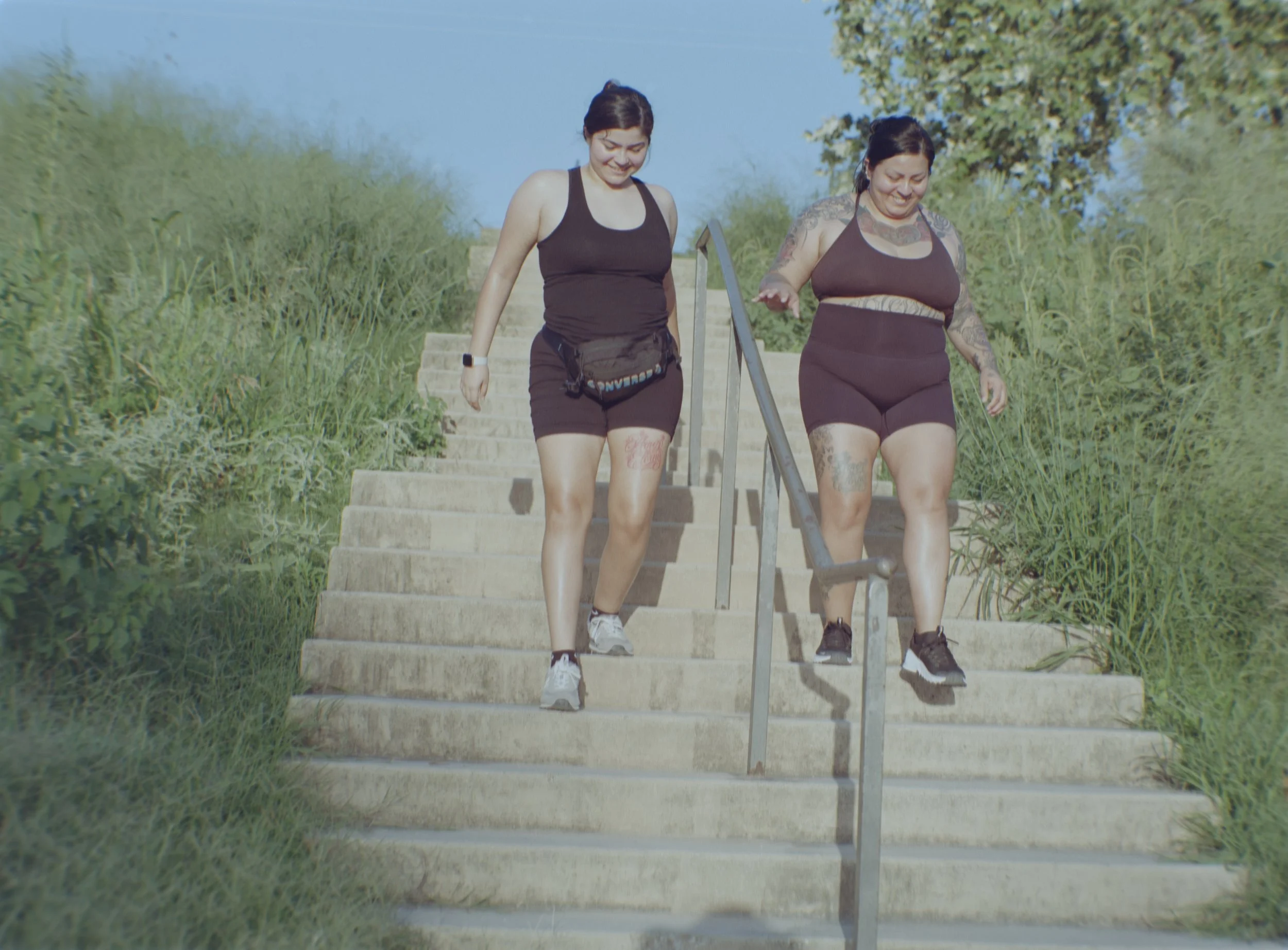
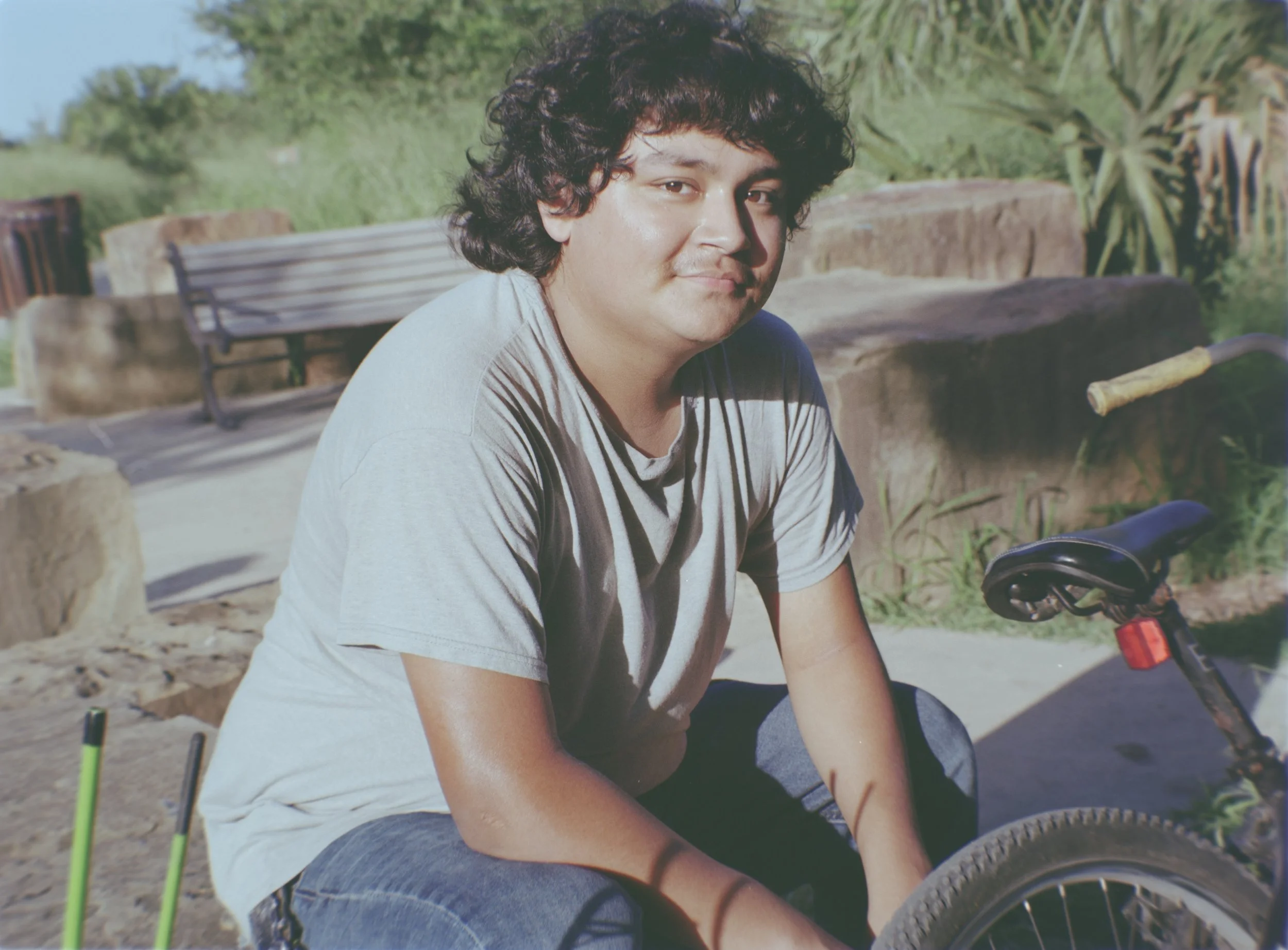
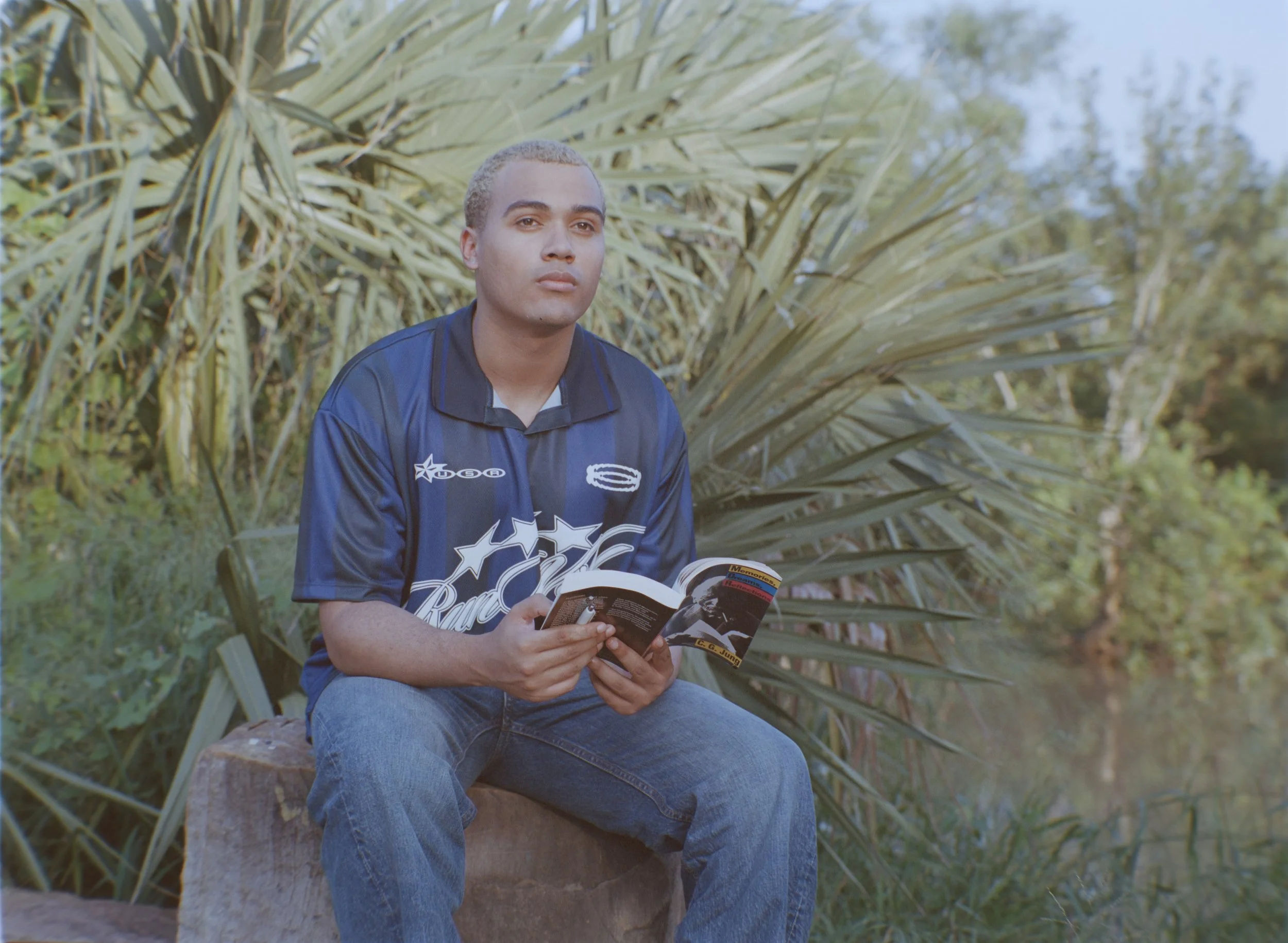
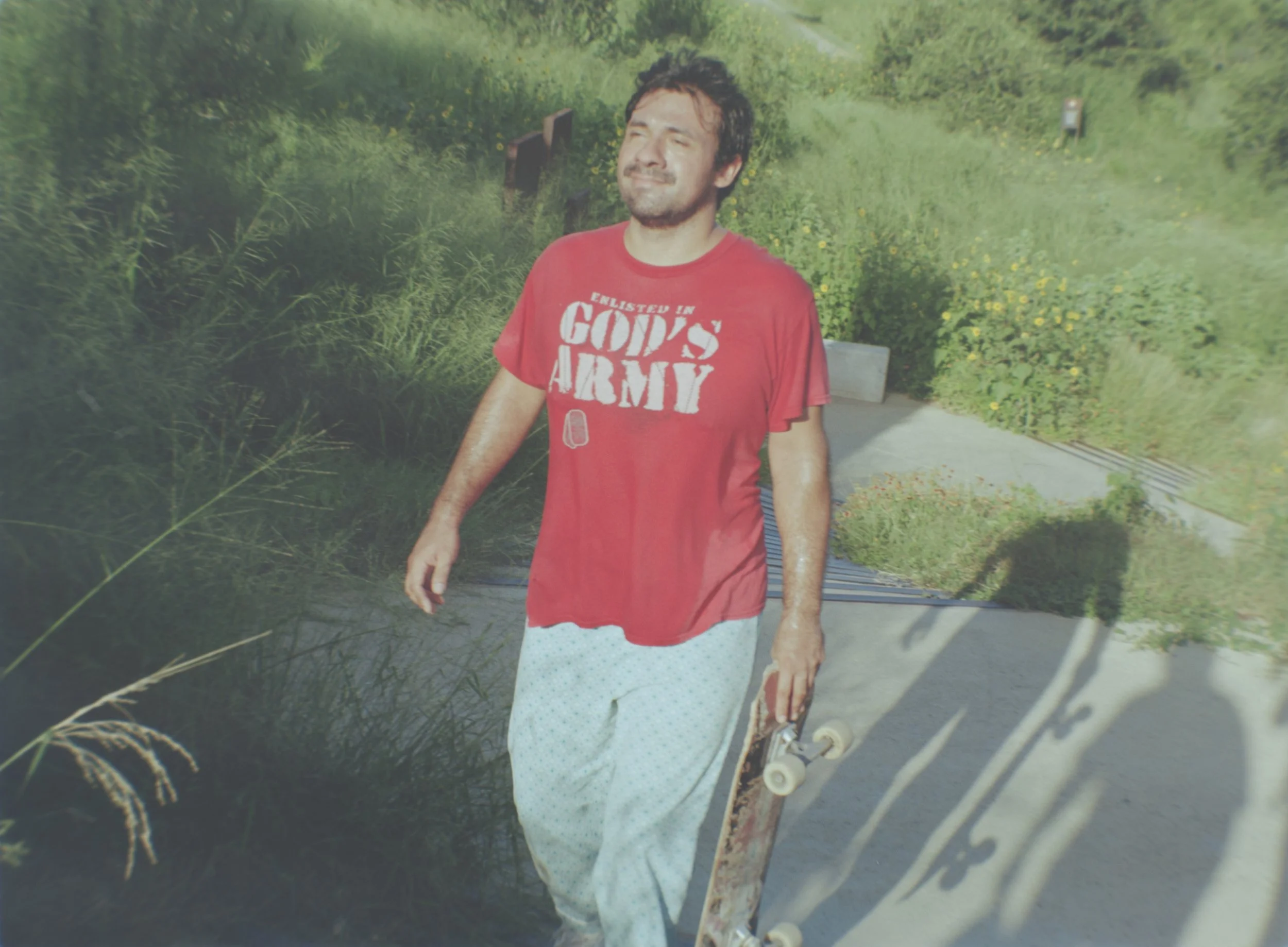
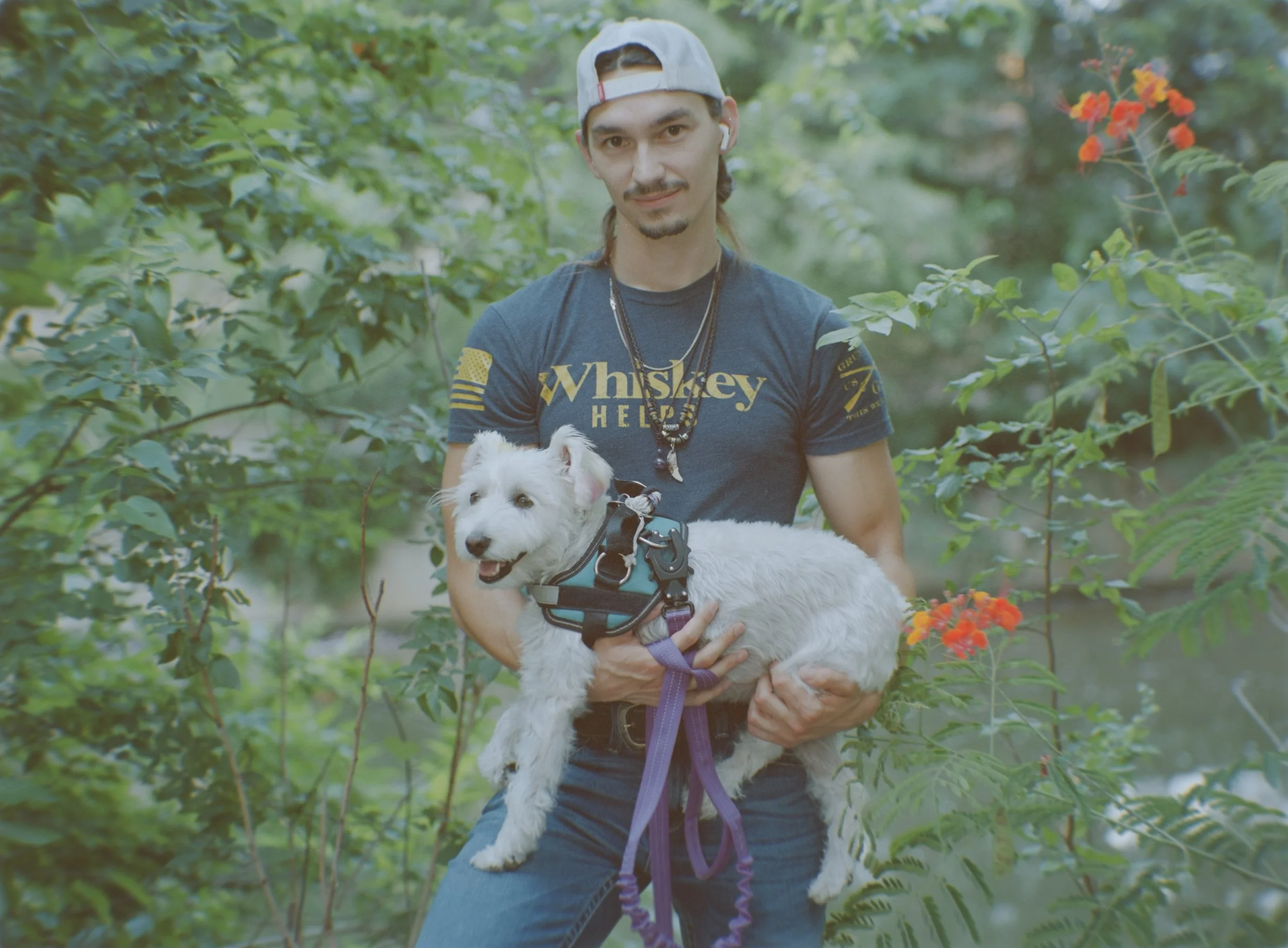
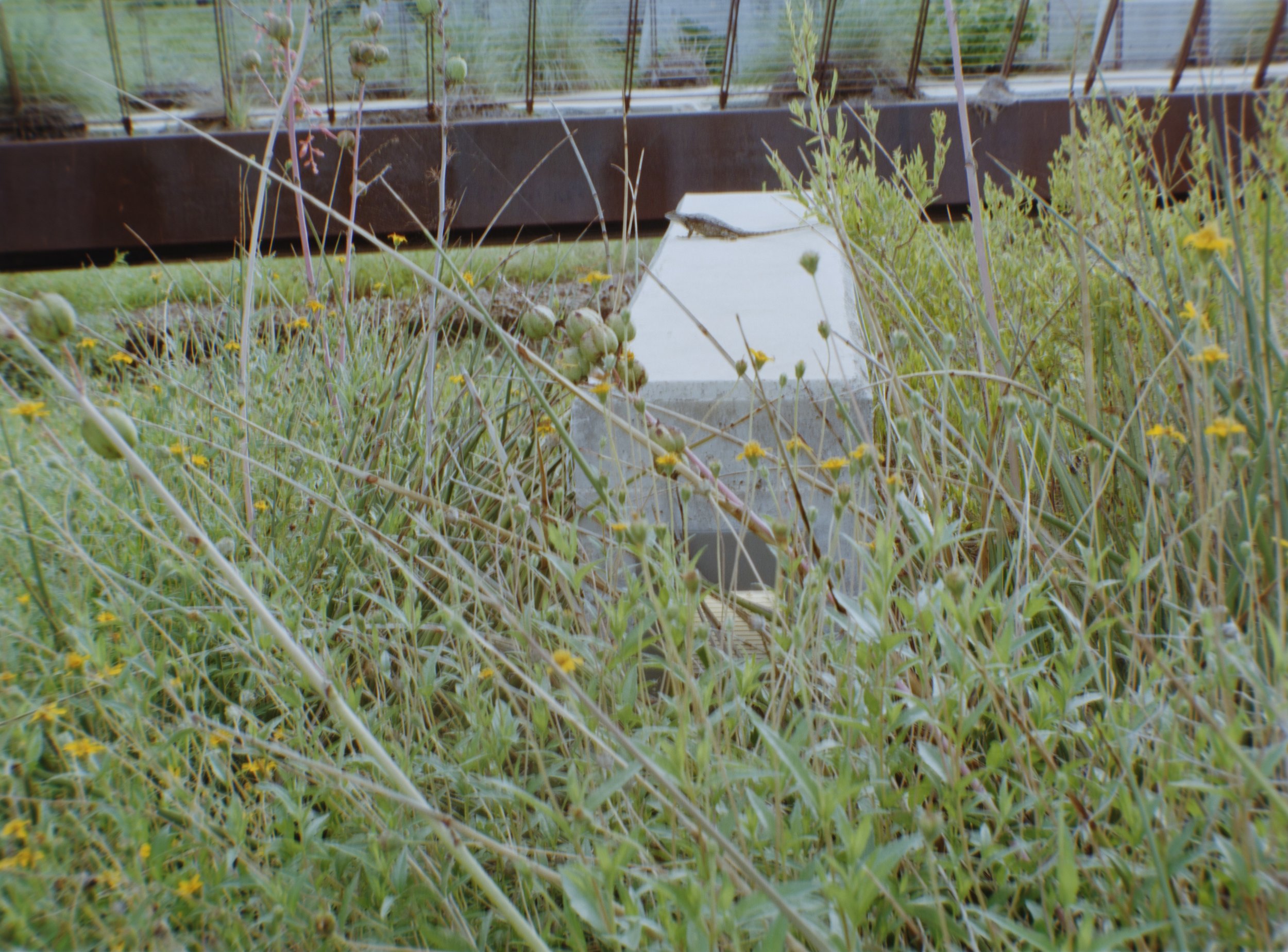
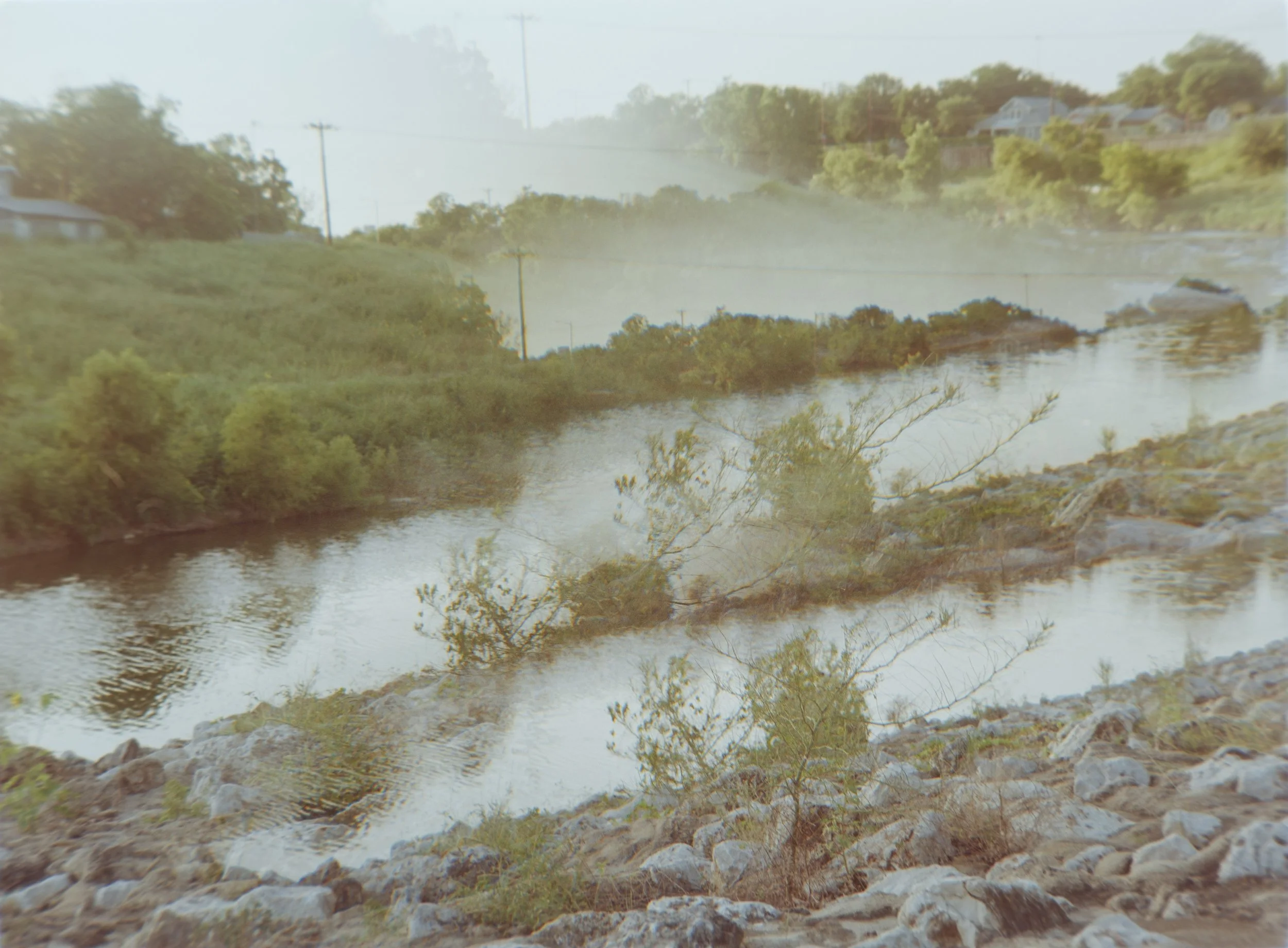
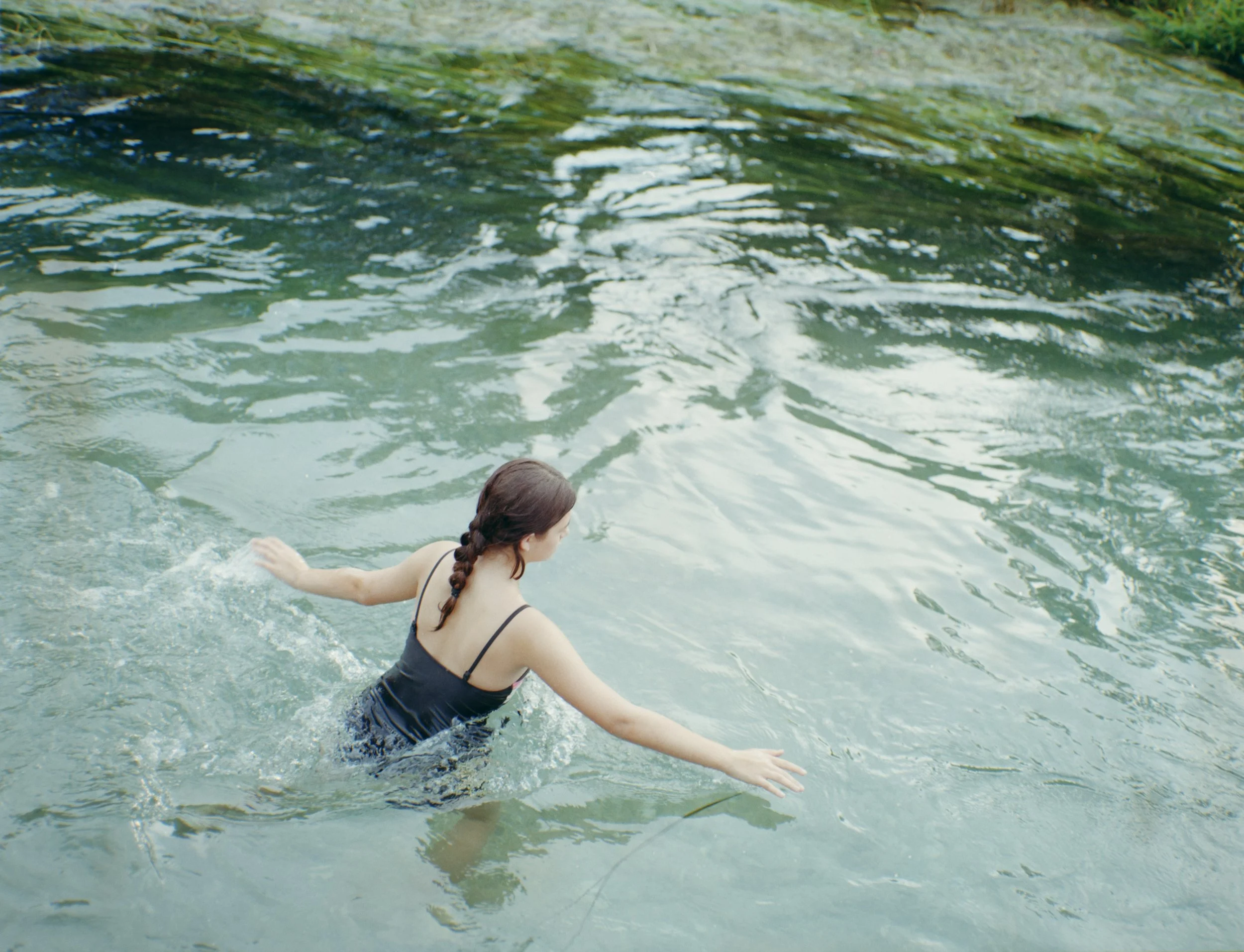
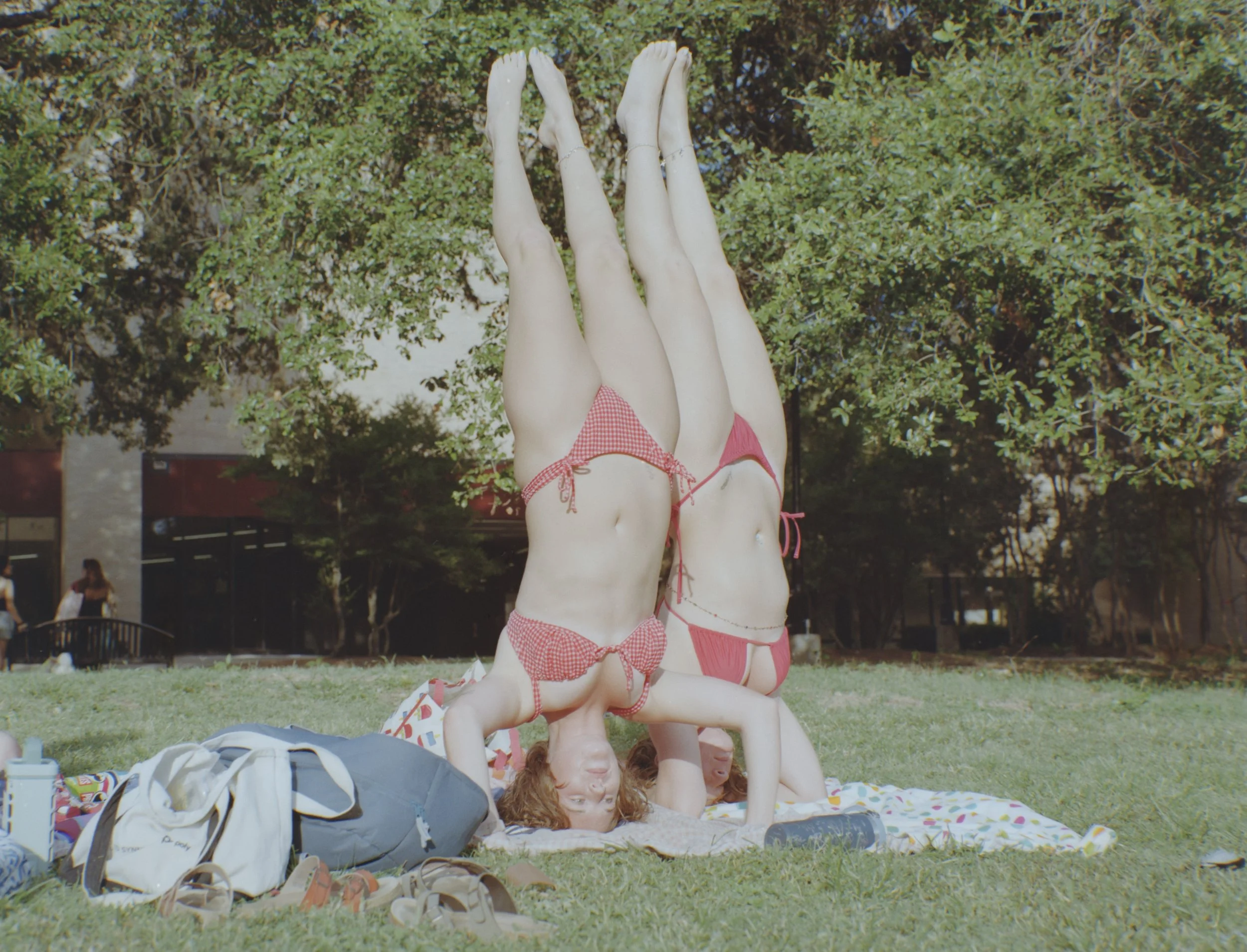
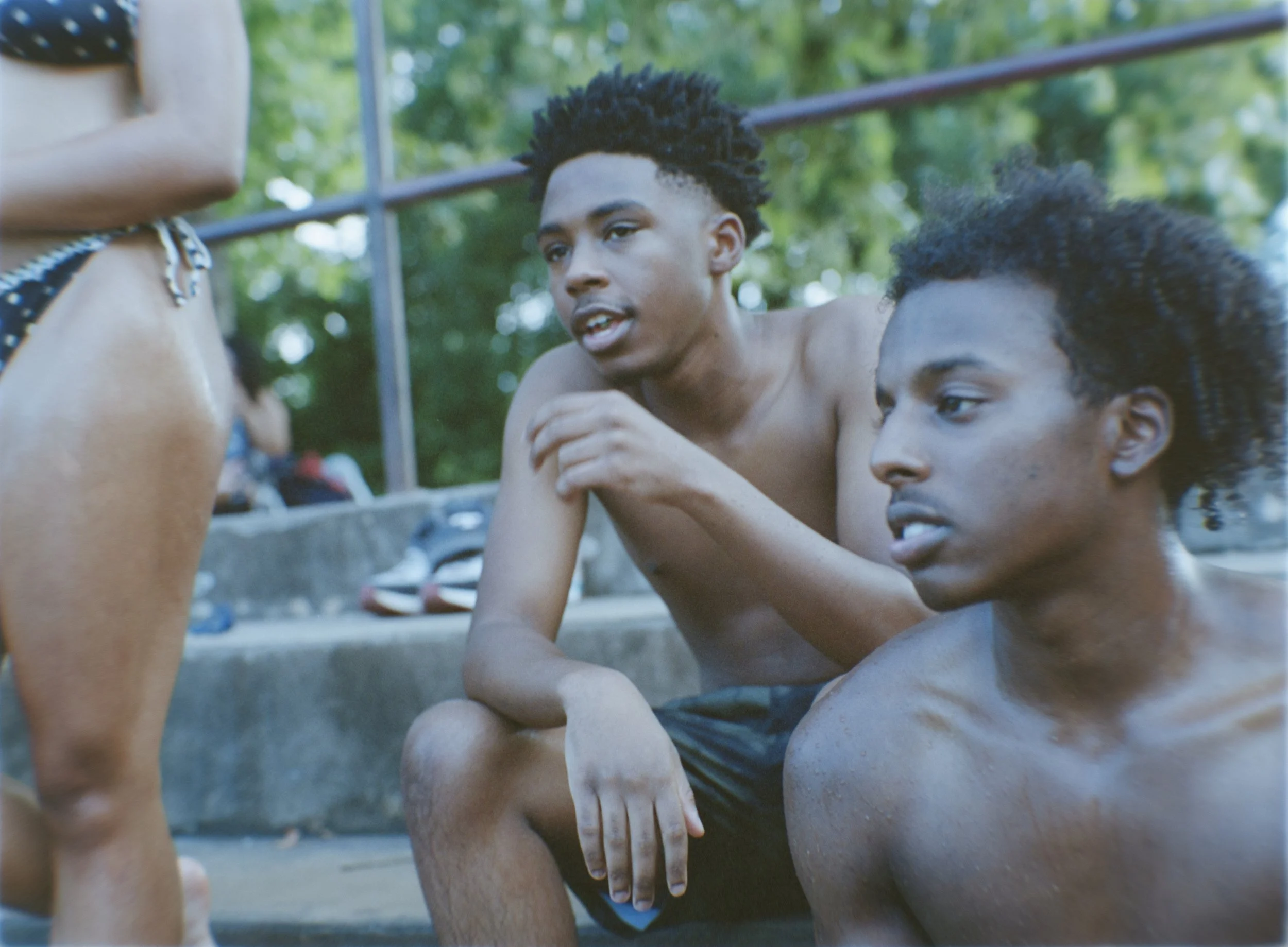
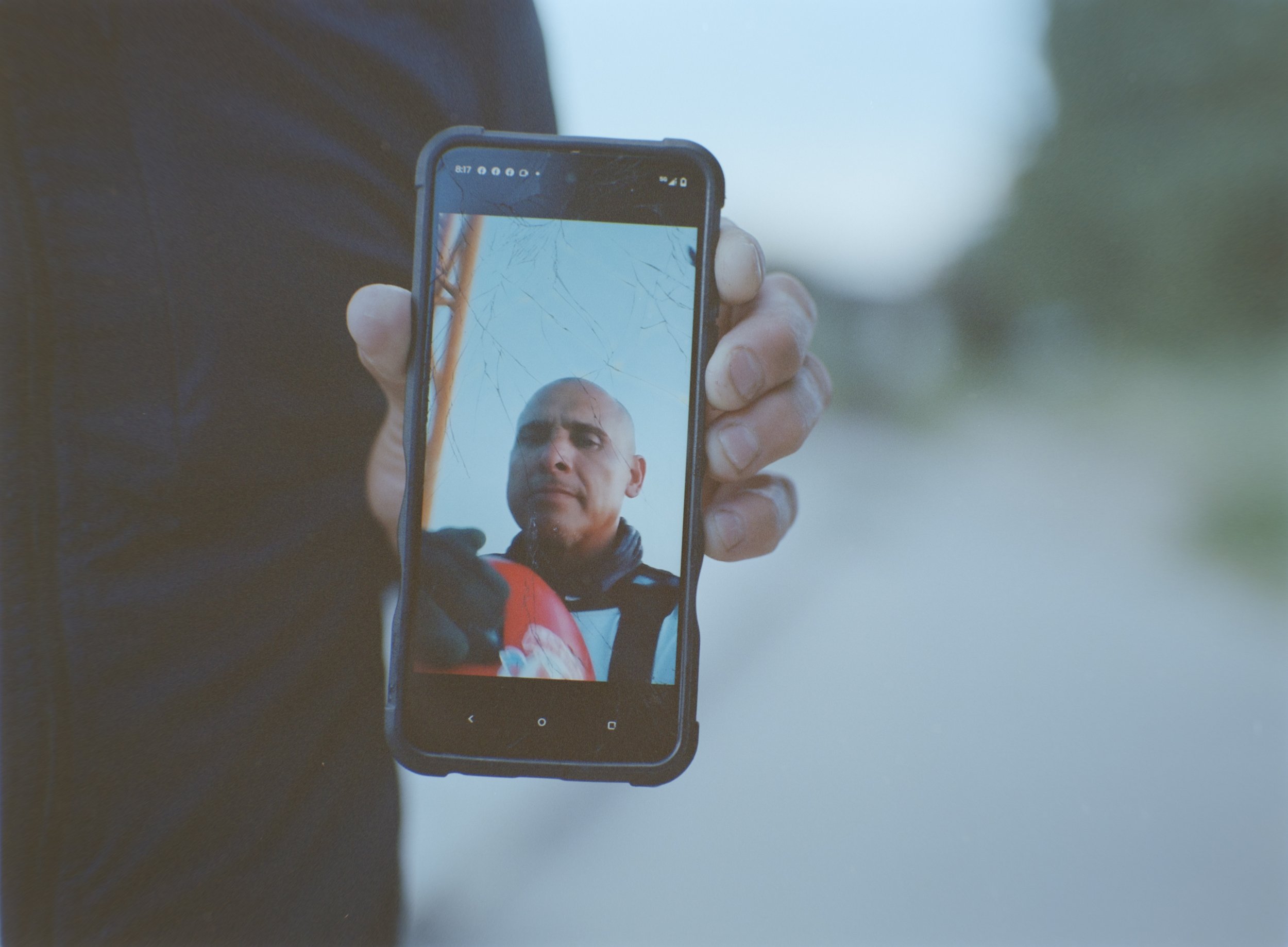
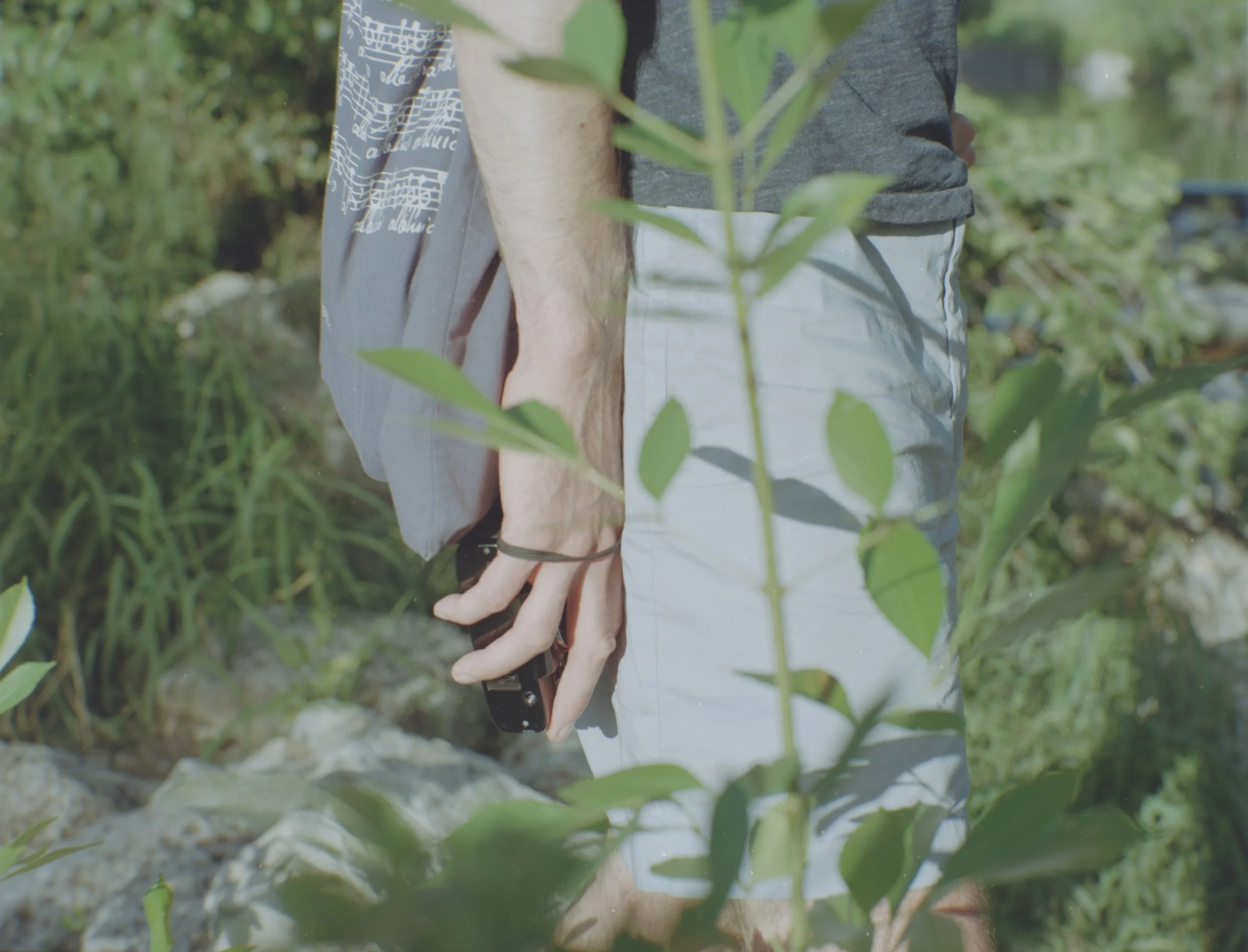
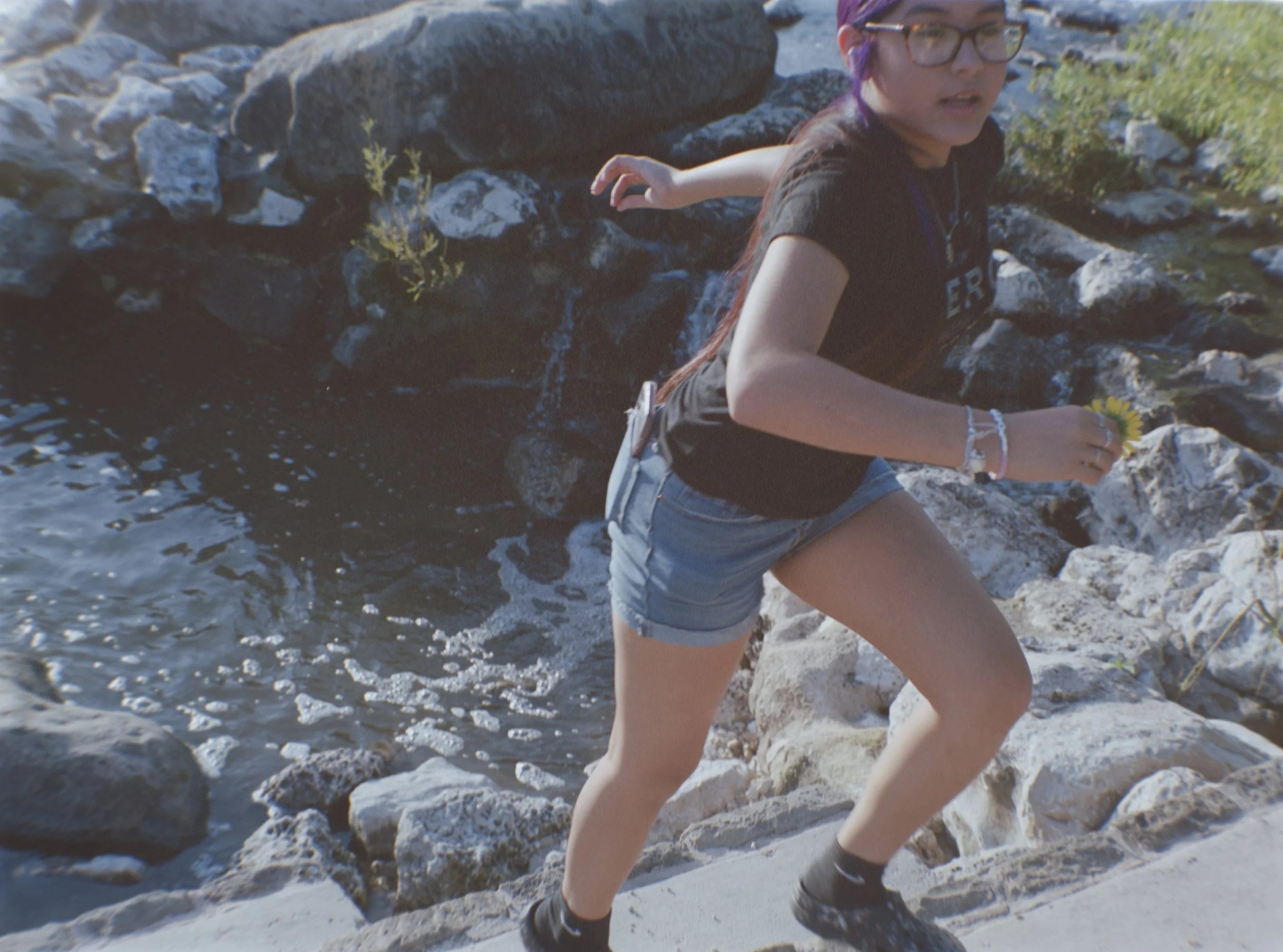
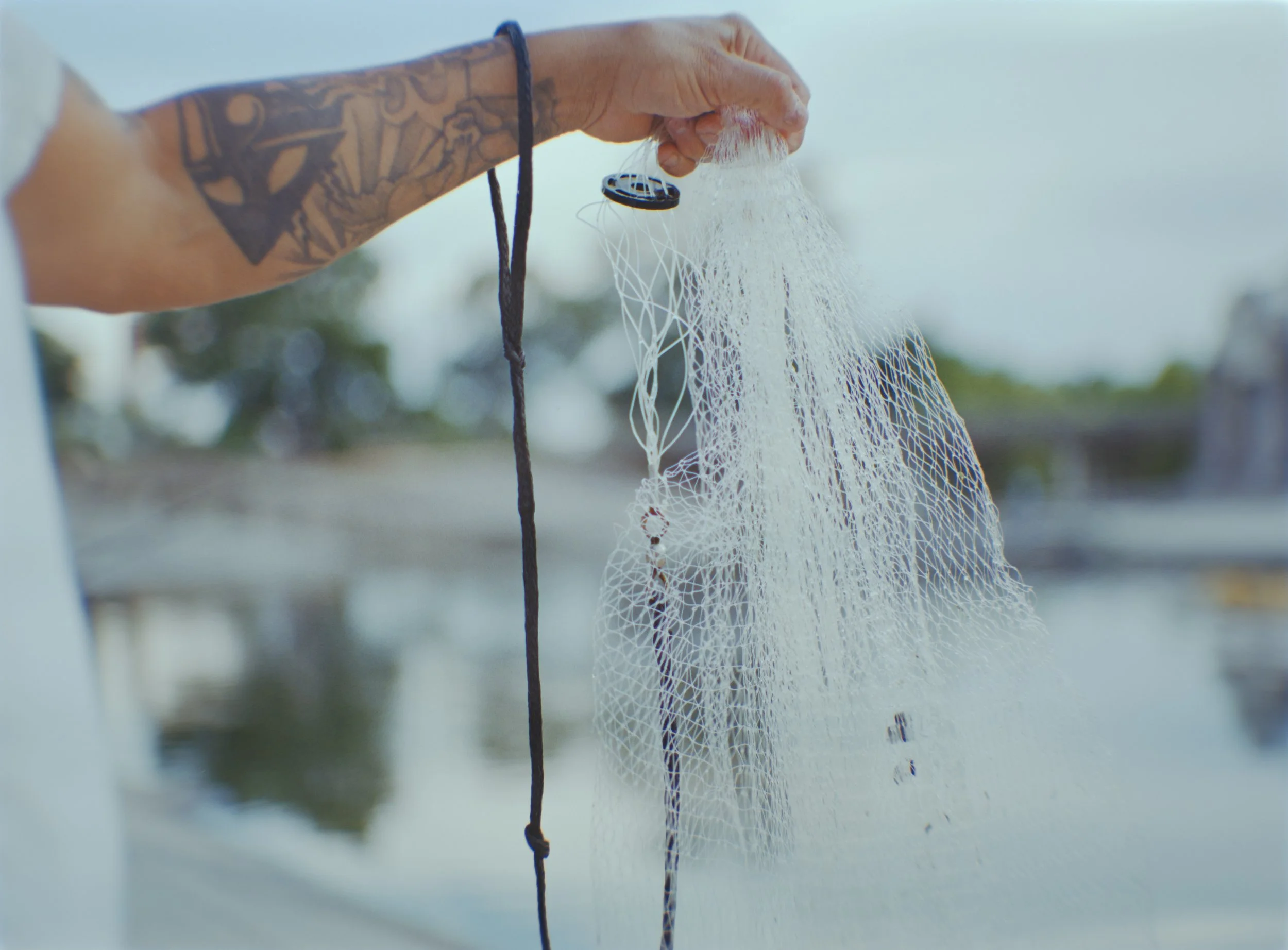
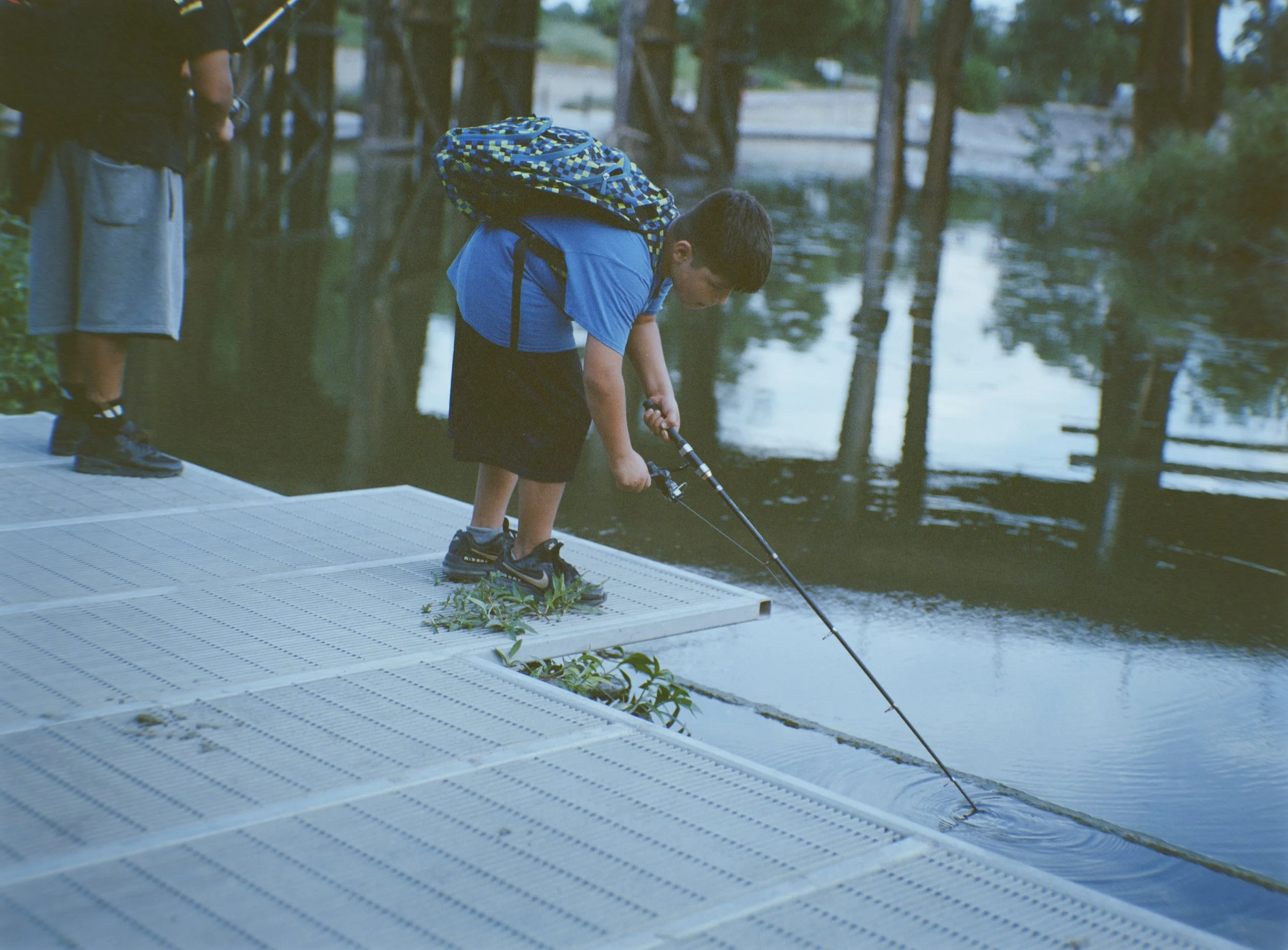
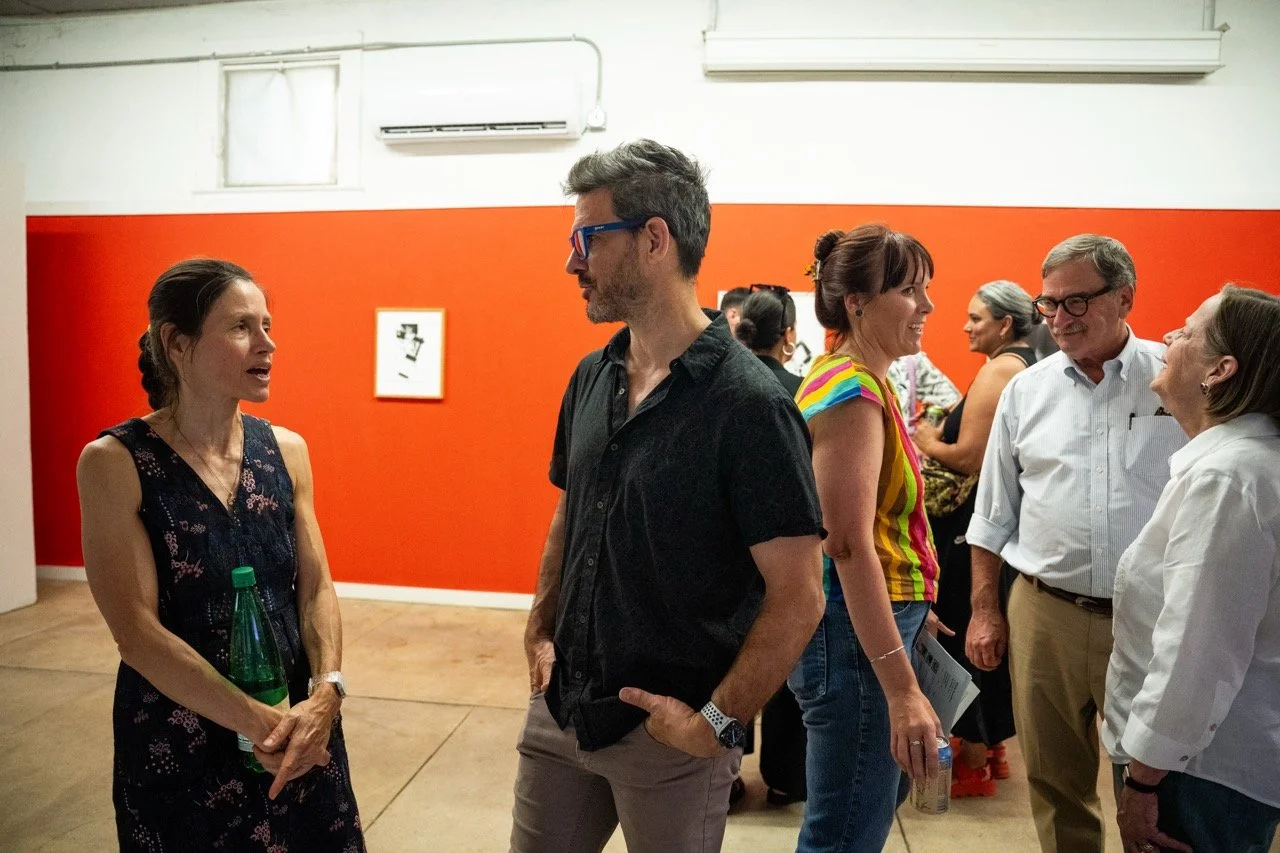
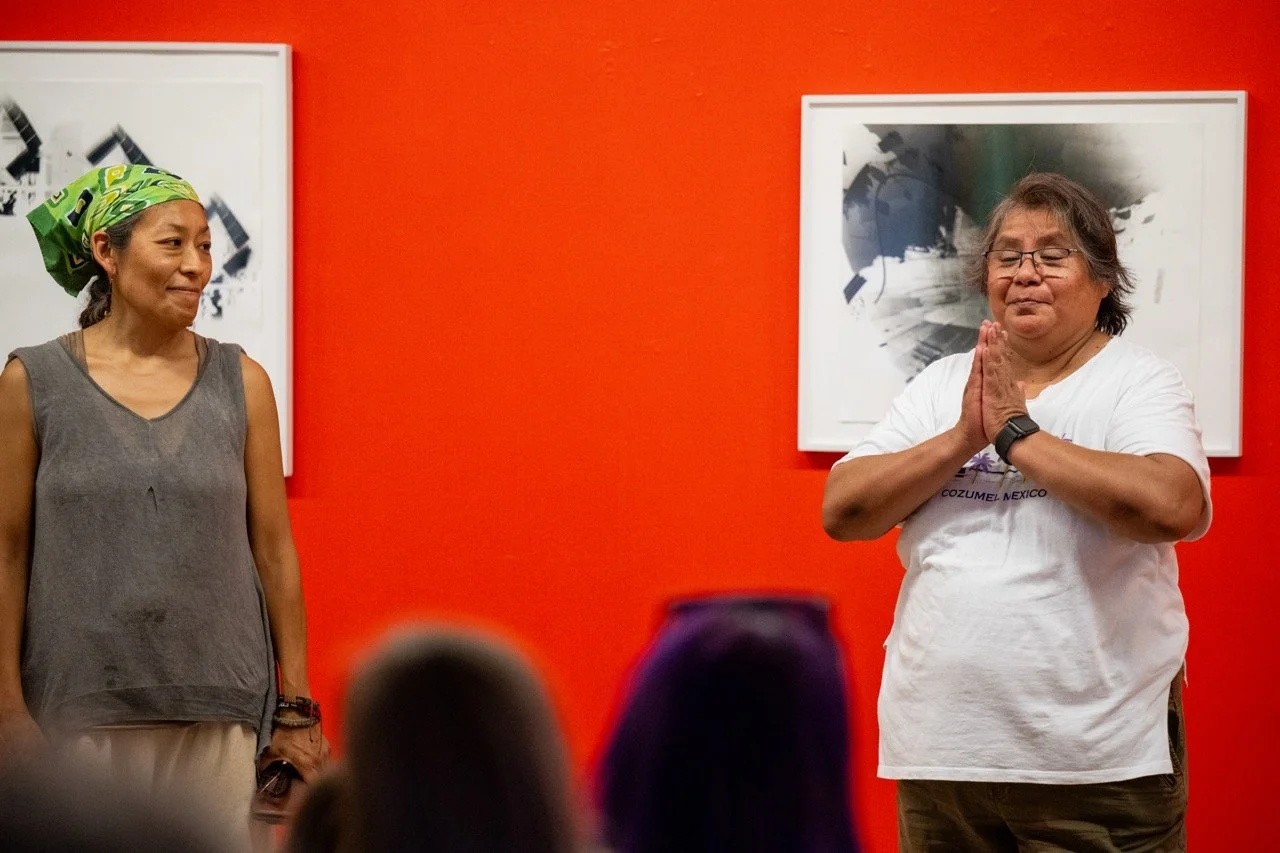
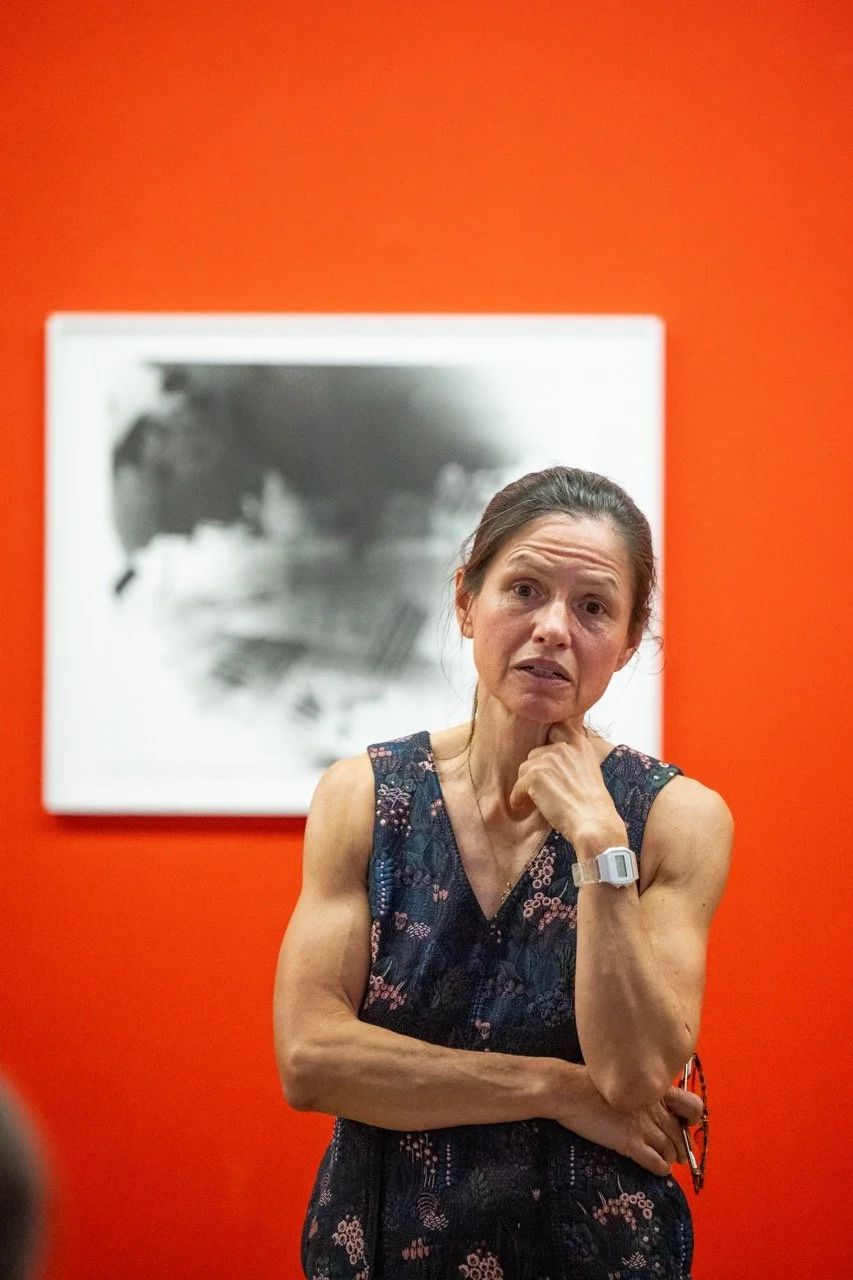
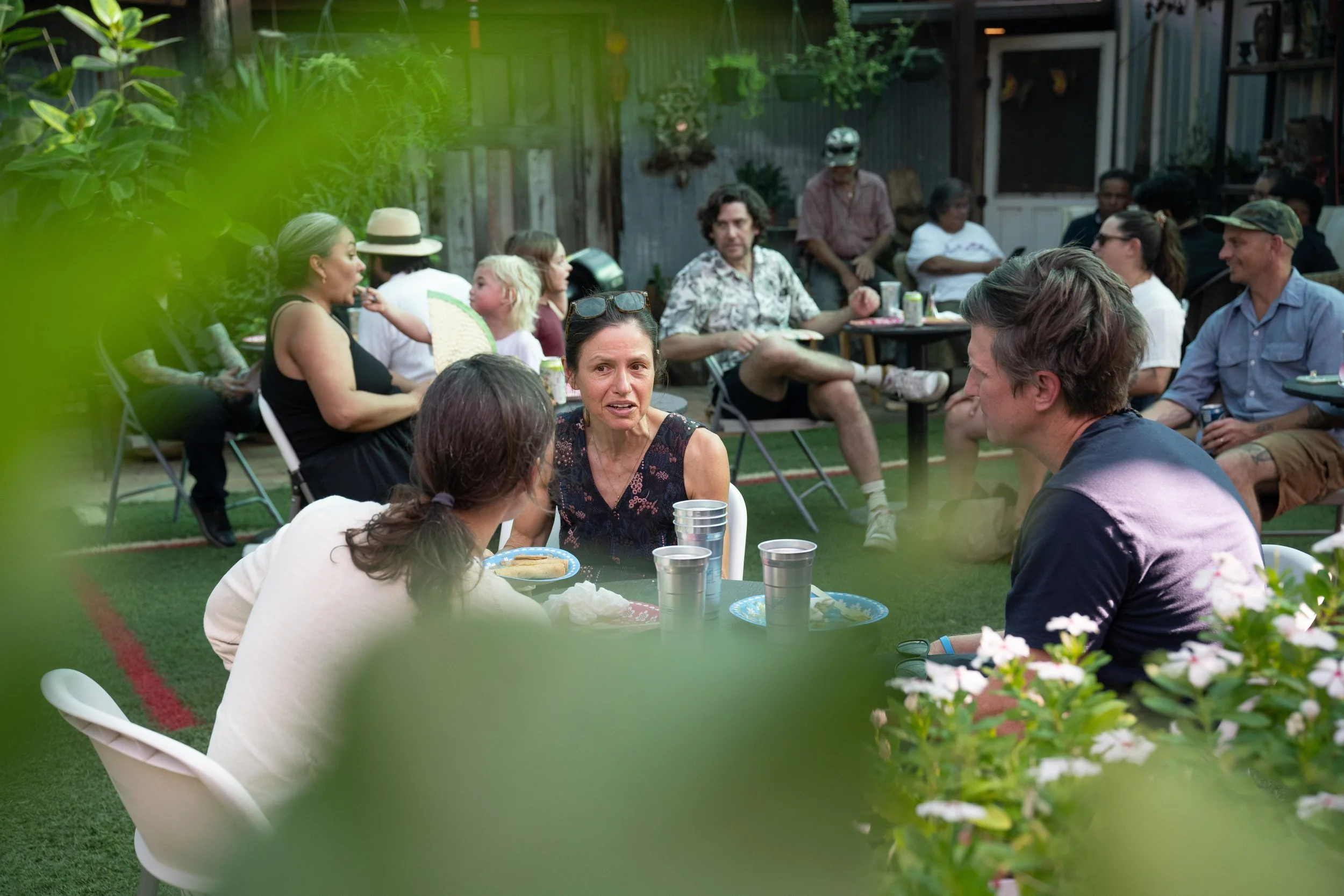
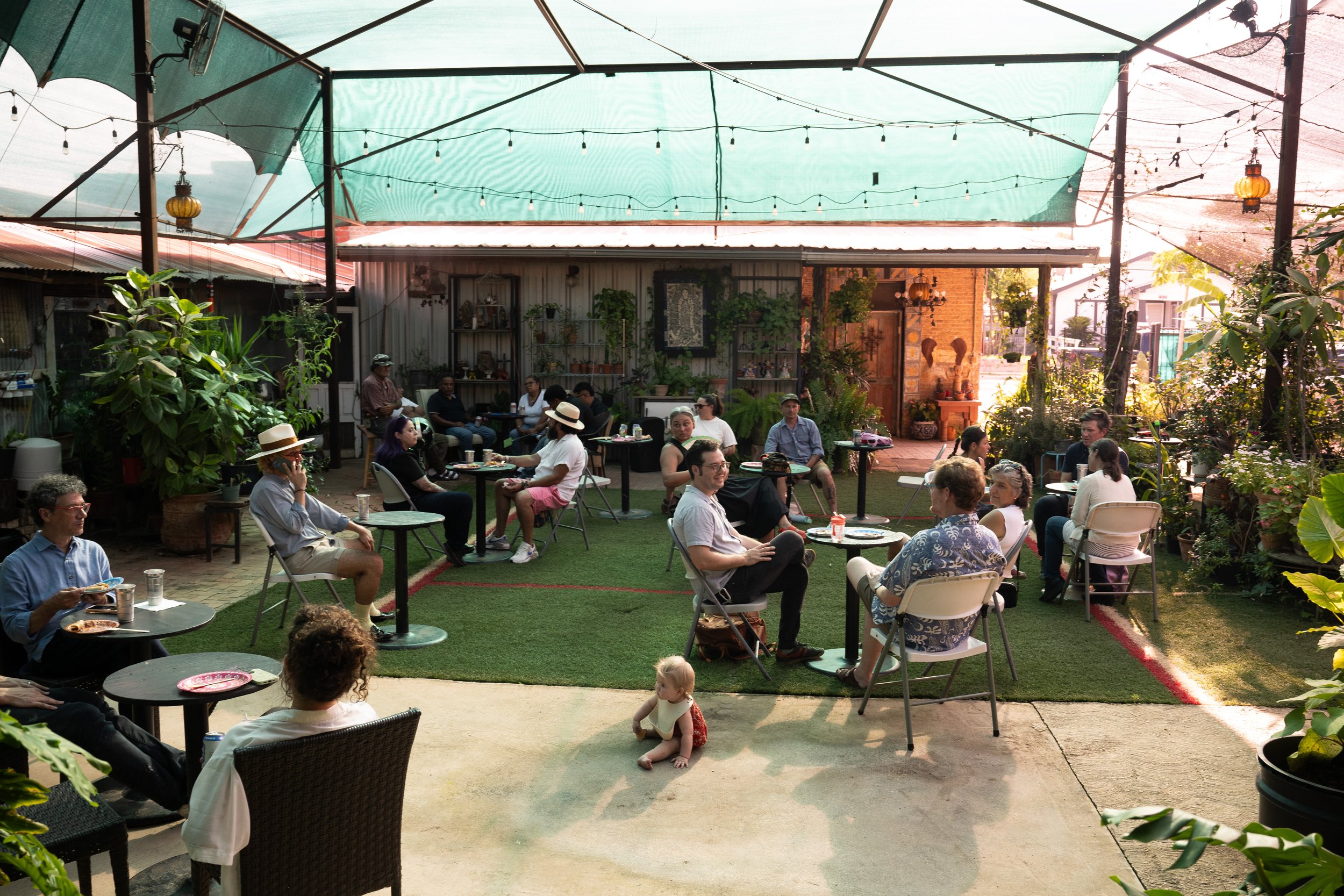
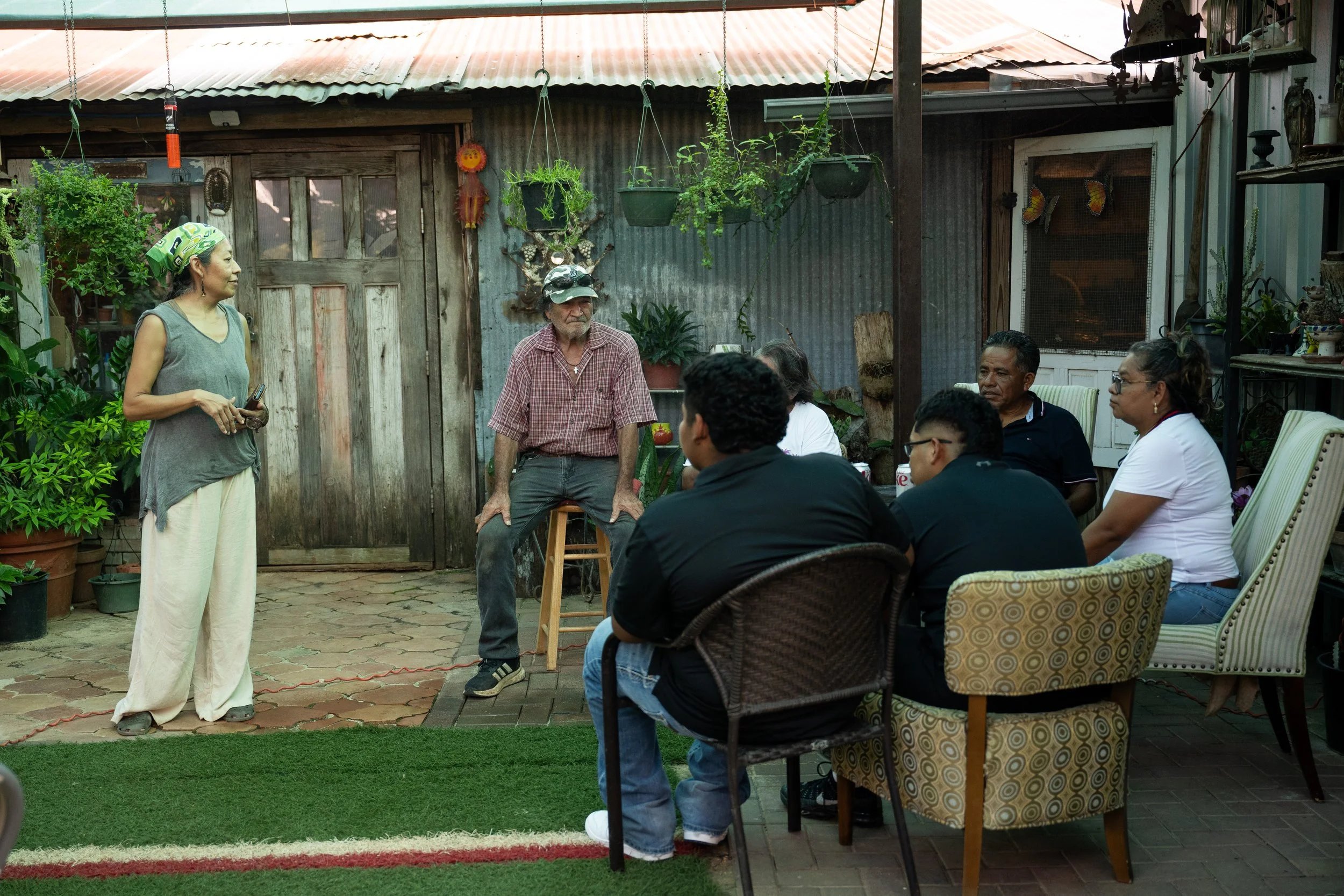
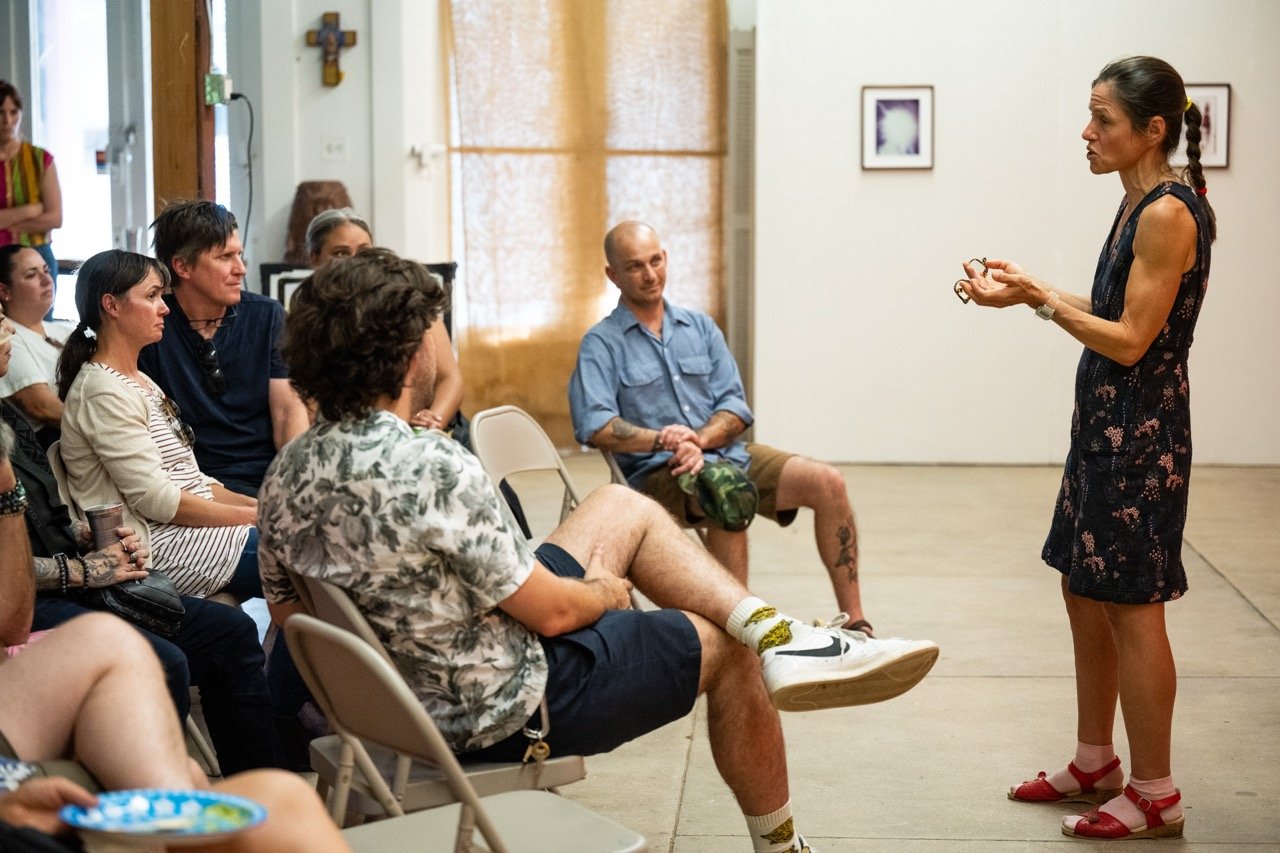
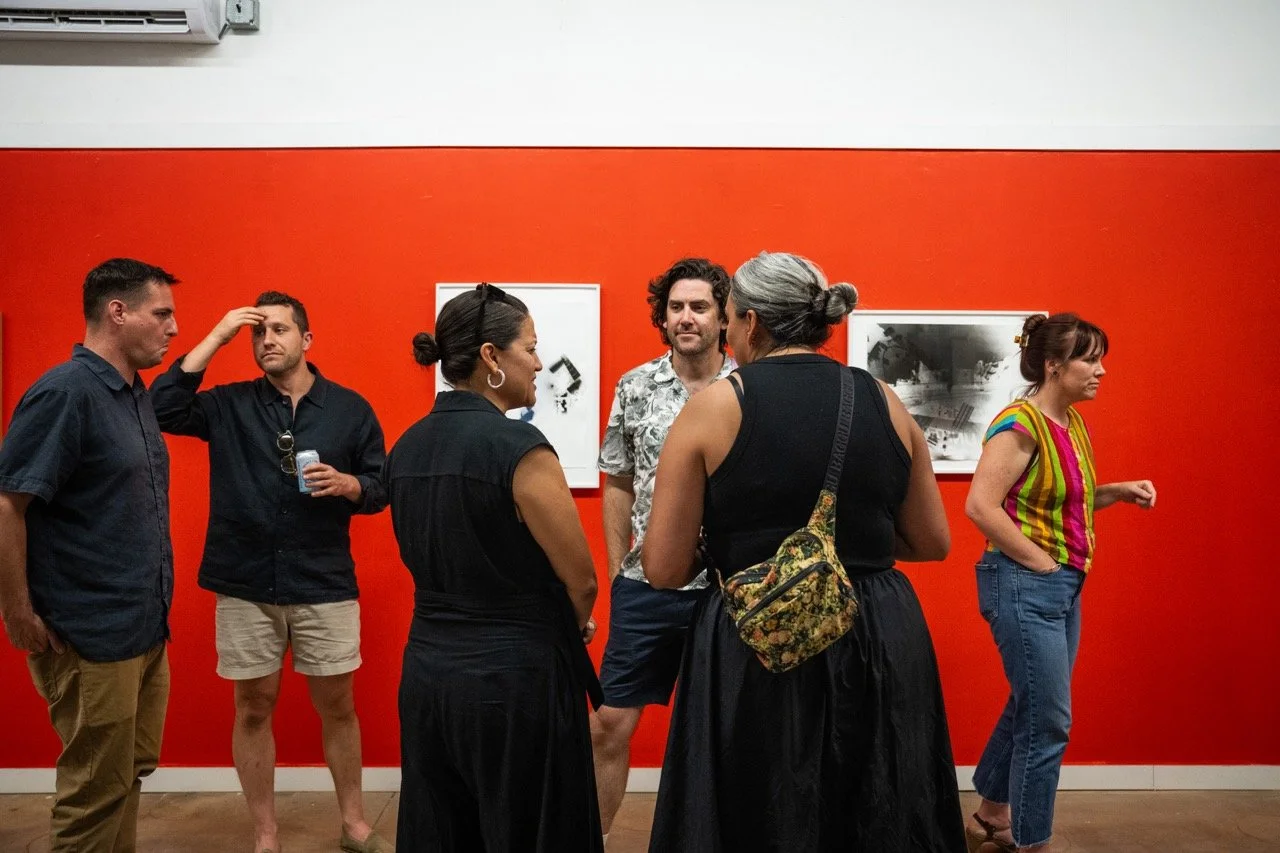
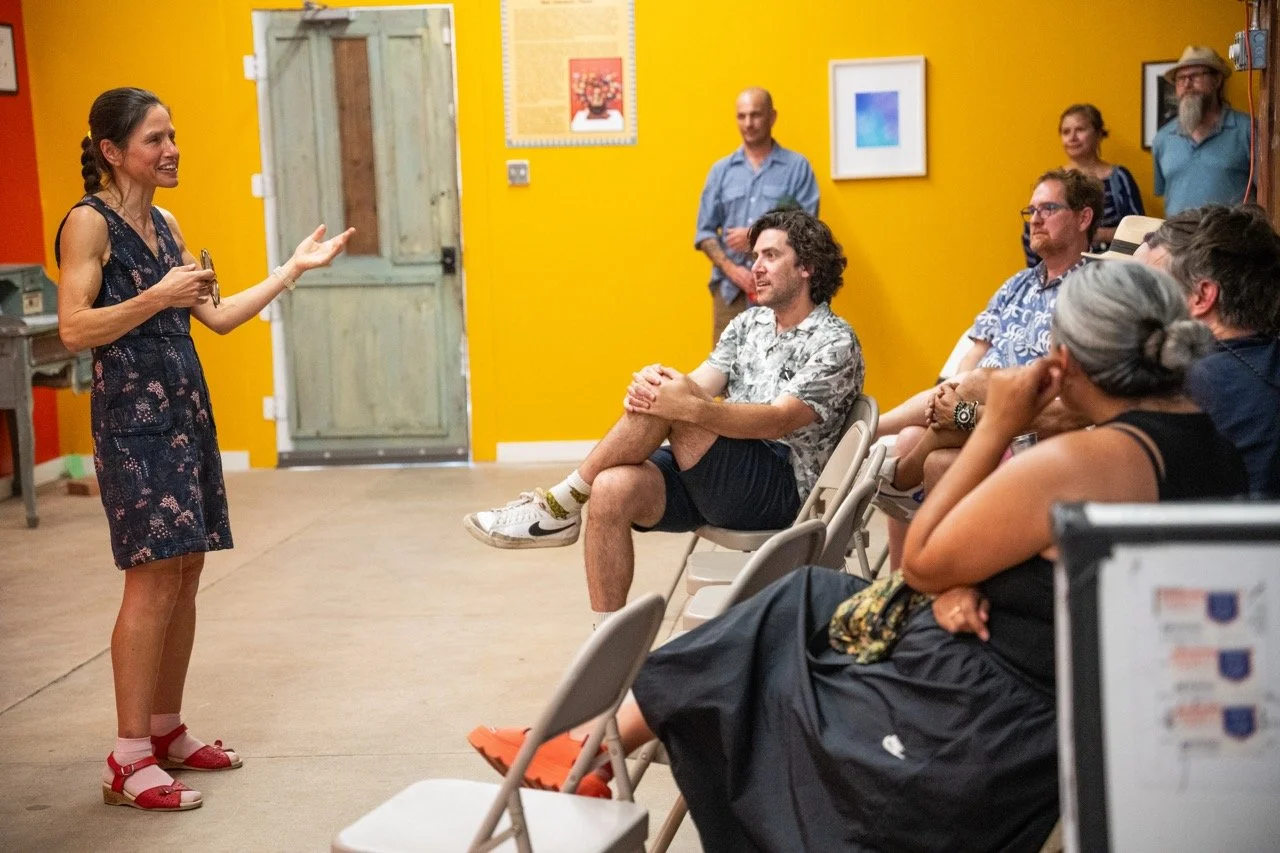
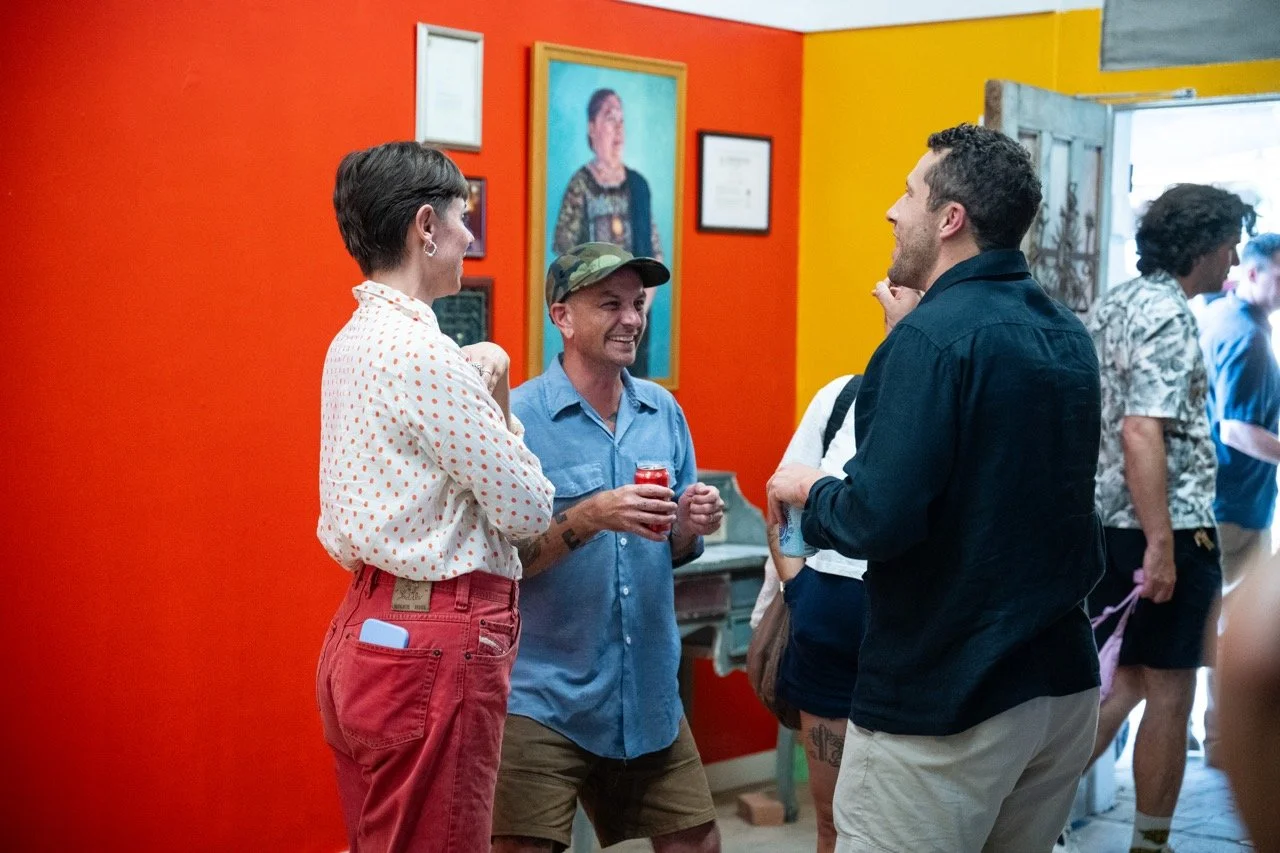
Several factors made the residency particularly fruitful, restorative, and inspiring. One was access to the photography darkroom at Trinity University, granted through the generosity of the visiting artist status provided by university’s Art & Art History department, and Adam Schreiber, an old friend and art professor at Trinity, who, with his wife, artist Jessica Mallios, and their daughter, took me swimming in a fast-running, crystal-clear river in San Marcos, one of the most refreshing (immersive!) experiences of my life. Another was the opportunity to work with Meg Ritchey, an arts administrator at Parts & Labor, who helped shepherd my work through an exhibition at Artes y Voces de Arte, a gallery run by the artist Veronica Castillo. I think Meg and I both enjoyed getting to know Veronica, an artist who works in the tradition of polychromatic ceramics and creates traditional and reimagined Circle of Life trees which recount stories of the encounter among peoples of meso-America and Texas. This engagement with Veronica’s space through my exhibition and the discussion organized by Parts & Labor helped me to see my work as a form of encounter, with the transformative potential this implies. As a child, Veronica trained at her parents’ ceramics studio. Her participation in a line of family work prompted me to consider my own artistic ties, including the Soviet avant-garde I learned about in college, and its vanquishing at the hands of Socialist Realism, the form dominant of my Moscow childhood. In this tension between utopia and dictatorship, I could pluck at the strings of institutional truth and reflect on the great displacements of the twentieth century, which affect us even now.
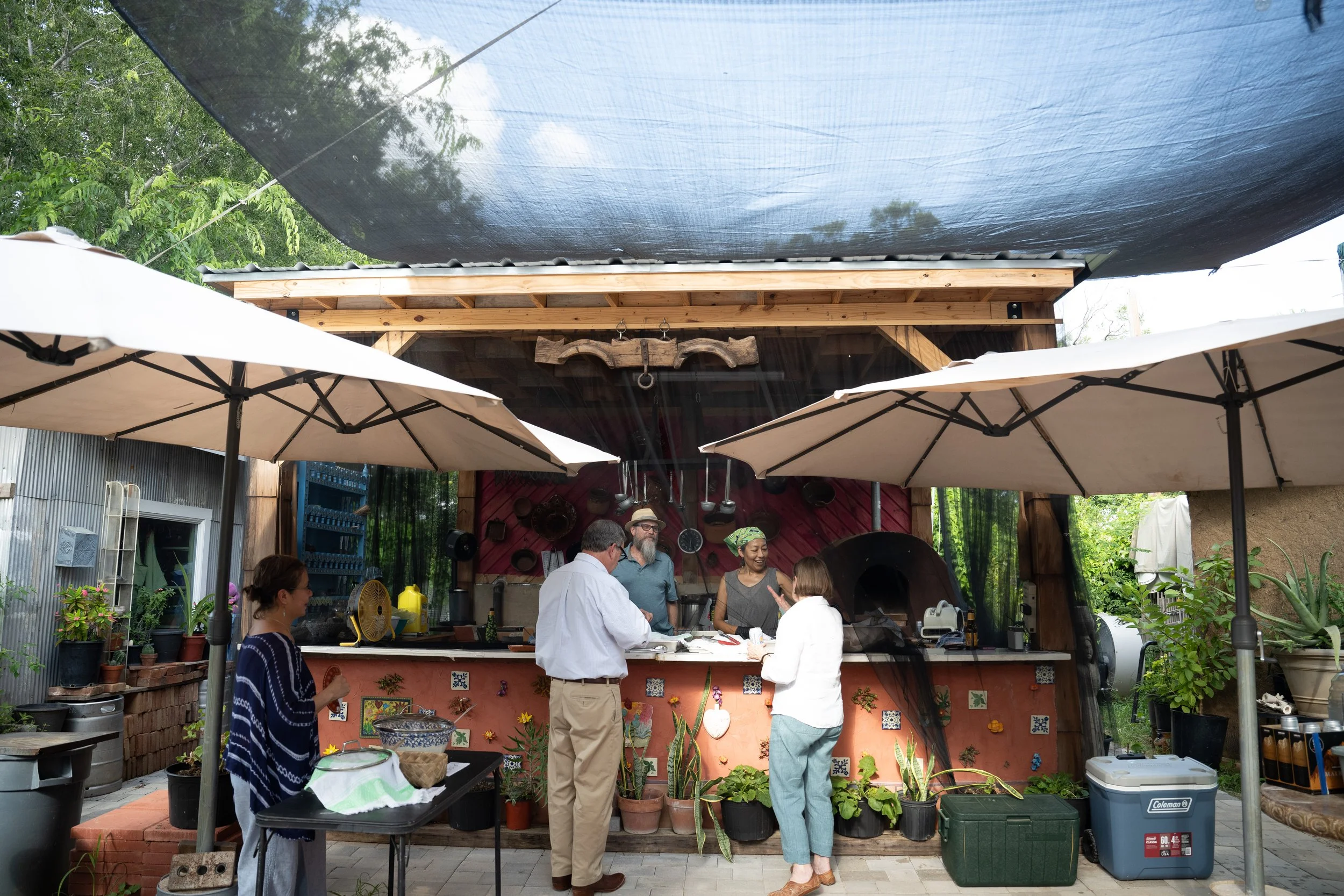
I found a wonderful rootedness in San Antonio. Was it Eva Marengo Sanchez and Scott Martin serving hand-carbonated water and handmade tortillas around the corner from Parts & Labor to a gathering of artists? Was it the colonnades of the grand homes of nearby King William, sometimes propped up by two-by-fours, or lovingly restored, soldiering on? Or the walkability, in the shadow of a highway overpass, a Texas contradiction which makes you see whispers of unbuilding. What a delight to meet the sister of artist Joey Fauerso at a wonderful dinner at her home, and to hear about her role as an urban planner in the conceptualization and construction of the Pearl, a piece of placemaking in the heart of a former industrial district. This remains something I would like to know about much more. Or the artist Mark Menjivar, and his wife Elizabeth, whose family hails from Hawai‘i, discussing the work of decarceration and shared interest in the stories of American colonialism.
In some ways, San Antonio reminded me of Buffalo, where we lived for seven years before Honolulu. It is another mid-sized city whose residents care about their neighborhoods and give freely of their time. Like Calvino’s Marco Polo, seeing only versions of Venice while traversing the empire of Genghis Khan, I could recognize the city as relational, existing in between these deeply-present people, who continue to offer their welcome.